

Disability inclusion
Alternative labels
Disability confidence
Disability responsiveness
Disability inclusiveness
Disability inclusive
Inclusive disability
Guide
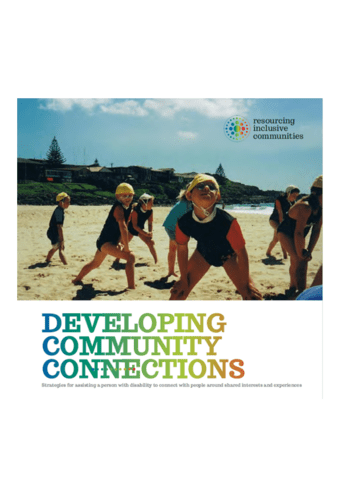
Developing community connections
In this guide learn six strategies that enable people with disability to be active and contributing members of their communities. The workbook emphasises that human connection is essential for well-being, safety and a fulfilling life. People with disability often face social isolation and this guide provides steps to foster genuine community inclusion not through segregated...
Video
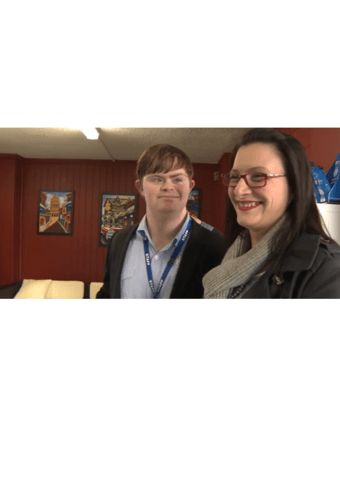
Love your work
In this video, Sean Fisher and his supporters share his journey into paid employment. By starting with Sean’s interests and gift for hospitality and looking at tasks that needed to be completed, Sean was able to find a good match in paid employment. With the encouragement of his co-workers and the guidance of his support...
Report
Capacity building for disability inclusive disaster risk reduction in Indonesia
Capacity Building for Disability Inclusive Disaster Risk Reduction in Indonesia This Technical Report details the Capacity Building component of the Promoting the Inclusion of People with Disabilities in Disaster Management in Indonesia project. It is the second of three technical reports that were created via this project. This project was funded by the Australian Government...
Report
Practitioner guidelines for capacity building for disability inclusive disaster risk reduction in Indonesia
Practitioner Guidelines for Capacity Building for Disability Inclusive Disaster Risk Reduction in Indonesia Disability inclusive disaster risk reduction (DiDRR) is increasingly recognised as an important component of community resilience in the event of a natural disaster as documented in the recent outcome of the 3rd World Conference, the Sendai Framework for Disaster Risk Reduction 2015-2030...
Discussion paper
Inclusion in education: towards equality for students with disability
All children in Australia have the right to an inclusive education. However, there are many barriers to the realisation of this right in the lived experience of children and families. This paper draws from recent research in addressing gaps in current understanding to provide a firm basis from which to inform research based policy development.