

First Peoples families
Alternative labels
Indigenous families
Report
Doing things differently: funding ACCOs to keep families together
This report presents research into funding model options for Aboriginal Community Controlled Organisations (ACCOs) delivering child and family support services. The report identifies core principles to guide the design of a funding model that is responsive to the sector and makes implementation recommendations.
Literature review
Aboriginal and Torres Strait Islander Family-Led Decision Making
This review describes the evidence base on Aboriginal and Torres Strait Islander Family-Led Decision Making (AFLDM), a rights-based approach that can strengthen participation and improve outcomes. AFLDM supports decisions about children’s safety within the statutory child protection system. The review covers what the evidence shows, gaps, what good practice looks like and learning and evaluation...
Report
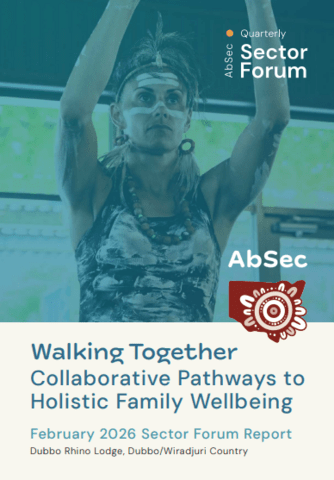
Walking together: collaborative pathways to holistic family wellbeing
The forum brought together Aboriginal Community Controlled Organisations, community members, policy leaders, researchers and government representatives to share knowledge, strengthen partnerships and shape the direction of reform across the New South Wales child and family sector. It combined policy updates, lived experience, place-based practice and strategic discussion in ways that reflected the work underway.
Strategy
SNAICC sector transformation: principles framework
The framework provides a roadmap for mainstream organisations to transition out-of-home care services to Aboriginal Community Controlled Organisations, placing self-determination, cultural authority and community control at the centre of child and family services. The aim is to ensure Aboriginal and Torres Strait Islander communities design, govern and control the services that impact their children and...
Report
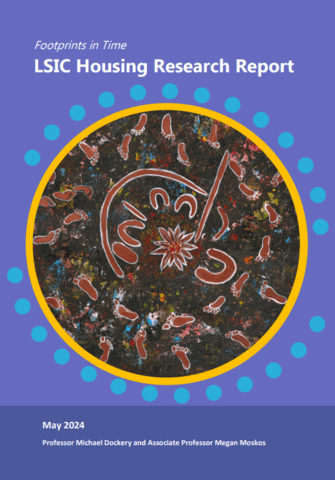
Footprints in time: LSIC housing research report
Utilising Longitudinal Study of Indigenous Children (LSIC) data, this report provides both a descriptive overview of the housing circumstances that Indigenous children and their families live in, and the way housing-related factors can help or hinder those children growing up strong. Two of the major dimensions explored in the analyses are housing tenure and remoteness.