

Asia-Pacific
Discussion paper
What does it look like for Australia to... support Pacific regionalism
This paper argues that Australia should plan for and be ready to respond to developments in Pacific regionalism. The paper articulates some of the barriers to Australia being a fully integrated member of a Pacific alliance and suggests pathways for Australia to support Pacific regionalism instead.
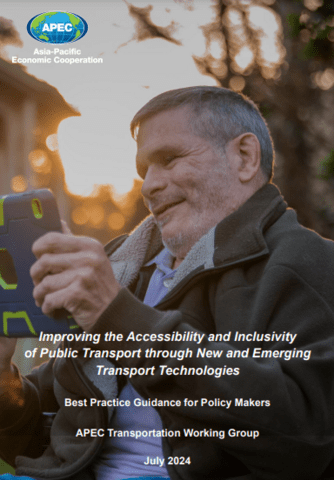
Guide
Improving the accessibility and inclusivity of public transport through new and emerging transport technologies: best practice guidance for policy makers
This report collates international resources to help advance the adoption of accessible technology solutions for public transport. The aim is to give an overview of technology case examples, as well as to provide practical steps and resources for policymakers to support the adoption of new and emerging technologies to enhance access to transportation.
Policy report
Future made in Australia? Evaluating Australia’s 2024 green energy related policies and its potential impact on Asia
This policy brief evaluates Australia’s 2024 green energy-related policies and examines their potential impact on Asia. The paper predicts that Australia’s green energy initiatives will have a ripple effect across Asia, promoting the adoption of clean energy technologies and practices.
Report
Aligning values and interests: Japanese and Australian democracy support in the Pacific and Southeast Asia
This publication contains a collection of analytical essays on Japan’s and Australia’s respective approaches to geopolitics, Southeast Asia, the Pacific Islands, and the overlay of democracy on development and diplomacy towards those subregions.
Briefing paper
Digitalising trade: the role of paperless platforms
This policy brief examines the current state of digital trade facilitation with a focus on the role that digital trade platforms play. It identifies the challenges that hinder the wider adoption of such systems and provides recommendations to overcome key barriers.