

Intimate Partner Violence (IPV)

Policy report
Opportunities for prevention of violence against women and children in the Northern Territory
Almost half the women in the Northern Territory have experienced violence since the age of 15, with Aboriginal and Torres Strait Islander women particularly at risk. This report analyses current gaps in policy to identify five opportunities to improve primary prevention and enhance early intervention, response, recovery and healing.
Working paper
Who can leave a partner who uses violence?
This research looks at the barriers to mothers leaving partners who use violence. The persistence of conflict or abuse experienced by mothers over the antenatal to 9-month period, and over the 54-month to 8-year period was examined. For these two periods, the association between intimate partner violence (IPV) at the start of the period and...
Literature review
Unlocking the prevention potential: accelerating action to end domestic, family and sexual violence
The purpose of this review was to draw together advice and identify opportunities to strengthen prevention efforts and approaches across all forms of violence against women and children, including a particular focus on homicides. The report provides specific and practical advice to strengthen prevention approaches and makes 21 recommendations.
Report
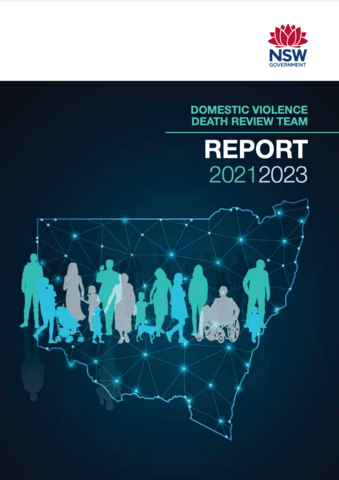
Domestic Violence Death Review Team report 2021-2023
This report is the most comprehensive data analyses the Domestic Violence Death Review Team has undertaken to date, presenting detailed findings from over two decades of domestic violence homicides in NSW. It report provides crucial insights to guide policymakers, service providers and advocates in preventing, responding to, and aiding recovery from domestic violence.
Report
Report card: tracking progress in the primary prevention of violence against women
This report card provides key data updates on progress towards the primary prevention of violence against women in Australia. It finds that while violence against women remains a national emergency, there have been slow but significant improvements across many of the key measures of progress.