

Representation

Report
The Social Outfit: 2025 Impact report
The Social Outfit is a Sydney-based registered charity and accredited social enterprise that operates a work-integration model combining paid employment with industry-aligned training for refugee and migrant women. This impact report documents outcomes across three pillars: skills and jobs, representation and circularity. The report's key findings demonstrate meaningful progress in economic inclusion.
Report
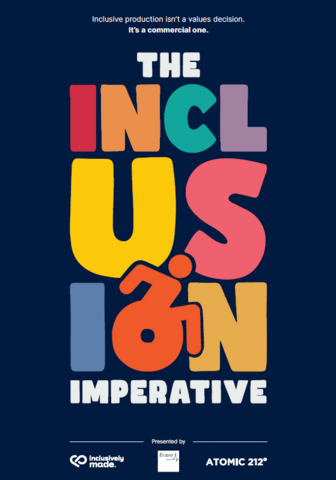
The inclusion imperative: the commercial case for authentic disability representation
This report provides practical, real-world evidence that inclusion delivers measurable outcomes, in this case, demonstrating how accessible and inclusive practices drive engagement, participation and economic value. It shows that inclusion is not only a social good but also creates tangible returns.
Report
Issues relating to advocacy services for veterans accessing compensation and income support
The report from an inquiry into the representation of and advice provided by ex-service organisations, commercial entities, not-for-profits and individuals to veterans and families in relation to accessing compensation and income support from the Department of Veterans’ Affairs. It makes seven recommendations for the Department of Veterans’ Affairs, Department of Defence and the Australian Government.
Report
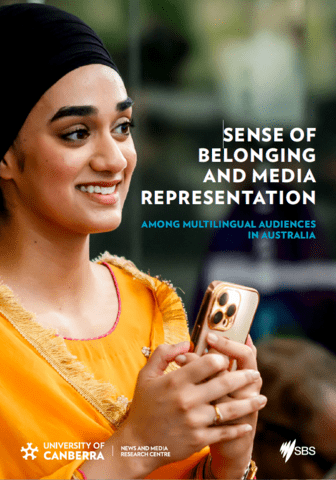
Sense of belonging and media representation among multilingual audiences in Australia
This study looks at the role of news media and media representation in fostering social participation and a sense of belonging among multilingual communities in Australia. It found that representation, both in news and in media more broadly, is linked to building a sense of belonging among multilingual audiences.
Briefing paper
Citizens’ assemblies: less accurate than tossing a coin?
This report analyses previous data from jurisdictions that have held citizens’ assemblies, to assess their accuracy and relevance in reflecting and understanding public attitudes. It argues there are fundamental defects in how they work, including the composition of those who take part in them and the group dynamics that occur within them.