

Regional disparities
Briefing paper
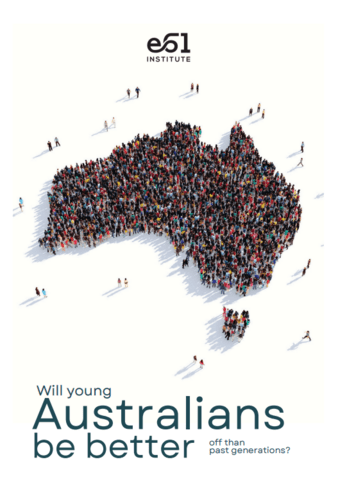
Will young Australians be better off than past generations?
This report highlights how today’s young Australians differ from previous generations and explores what this means for their economic security, work opportunities, living arrangements, path to independence and overall wellbeing. For policymakers seeking to seeking to ensure that an intergenerational pattern of improvement continues, this report offers three implications.
Briefing paper
Policy alignment for place-based solutions for better health outcomes in rural and remote communities
Rural and remote communities in Australia continue to face entrenched barriers to accessing timely, person-centred care. This paper calls for national leadership to shift from siloed, input-focused service models to coordinated, outcome-driven approaches. It identifies four key areas for reform to support policy alignment for place-based health solutions.
Journal article
Factors that affect the provision of medical abortion services in Australian primary care
The aim of this review is to synthesise primary research findings about factors that affect medical abortion provision by general practitioners, nurses, midwives, and pharmacists in Australia. The paper concludes that a range of individual, service level, and system factors exacerbate the effects of geographic location and financial considerations on the provision of medical abortion...
Report
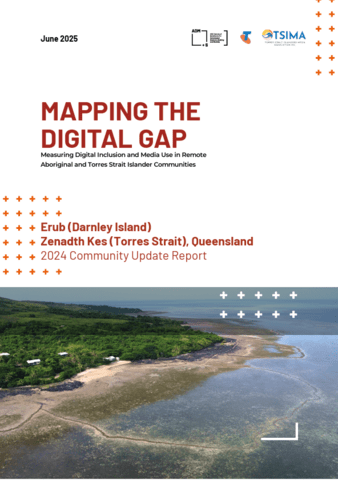
Mapping the digital gap: Erub (Darnley Island), Zenadth Kes (Torres Strait), Queensland 2024 community update report
This report outlines updated findings from the third research visit to Erub (Darnley Island), Queensland, outlining changes in First Nations digital inclusion. It is intended to assist local agencies, leaders and residents to better understand the barriers to digital inclusion, develop local strategies to address these barriers, and support planning and partnerships with government and...
Report
Community safety in regional and rural communities: interim report
This report finds that youth crime is significantly impacting regional and rural communities in New South Wales. It makes a number of recommendations for improvement including targeted early intervention programs and improvement in supports for victims of crime. Smart, evidence-based strategies are required to deliver lasting change for communities.