

Freight
Alternative labels
Freight transport

Report
Australian infrastructure and transport statistics: yearbook 2025
The statistical report provides a single, comprehensive annual source of infrastructure statistics for use by policymakers, industry, transport analysts and the wider Australian community. Areas covered include freight, passengers, road-related revenue and expenditure, road, rail, aviation, shipping, transport safety, transport energy and environment, infrastructure and the economy, and infrastructure construction.

Strategy
National freight and supply chain strategy 2025
Without viable and reliable freight networks, Australia stops. This refreshed strategy sets the agenda for a collaborative approach to deliver actions by governments and industry across freight modes in Australia. It outlines four priority areas: Productivity, Resilience, Decarbonisation and Data in order to support more efficient supply chains.

Report
Australian infrastructure and transport statistics: yearbook 2024
The yearbook provides a single, comprehensive annual source of time series statistics on infrastructure and transport for policymakers, industry, analysts and the wider Australian community. Infrastructure and transport types covered include road, rail, aviation and shipping with a breakdown of data presented for states and territories.
Report
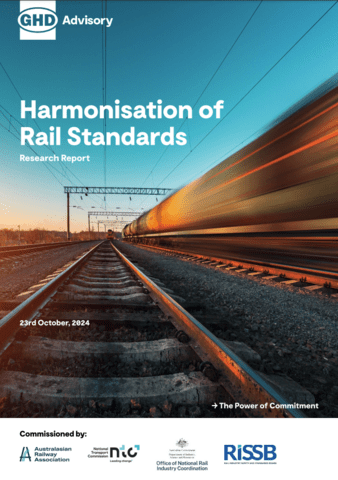
Harmonisation of rail standards
The fragmentation of rail presents challenges for both existing and prospective rail operators. This report outlines the case for a more effective approach, with supporting legislation, to facilitate industry’s efforts to harmonise standards and realise the benefits of greater interoperability and a more efficient, safe and productive industry. It proposes three alternate pathways to harmonisation.
Report
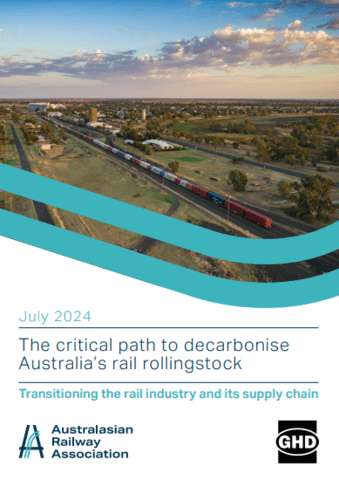
The critical path to decarbonise Australia’s rail rollingstock
The Australian rail industry is at a critical juncture on its journey towards decarbonisation. This report seeks to identify the key challenges associated with decarbonising railways and provide government, industry and other stakeholders with a shared understanding of the actions required needed to progress the decarbonisation of rail operations.