

 SHARE
SHARE
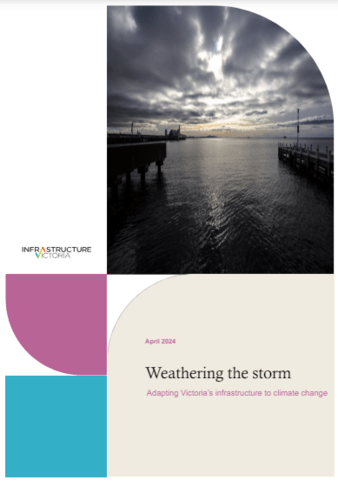
Weathering the storm: adapting Victoria's infrastructure to climate change

Most of Victoria’s infrastructure was not built for more frequent severe weather. This means infrastructure, like roads and powerlines, is exposed to greater damage from wild storms, bushfires and floods.
This research can help governments decide how and where to invest in adapting infrastructure. It shows how to assess the risks from extreme weather and compare different solutions to better protect infrastructure assets.
Extreme weather damage already costs Victoria about $2.7 billion a year. Without action to better protect infrastructure, costs will grow.
Key findings:
Investing early in solutions to better protect infrastructure can keep Victorians safer, reduce disruption for people and businesses and save money on disaster recovery.
Infrastructure Victoria uses 3 examples to test their assessment method: flooding and bushfire risks for Victoria’s roads and extreme wind risks for powerlines. The research shows low-cost solutions, such as preventative maintenance for roads or replacing overhead electricity conductors with insulated cables, can have a large return on investment.
Key recommendations:
- Boost priority and oversight for infrastructure adaptation
- Coordinate and standardise climate projections
- Use asset management systems to improve resilience
- Integrate climate risk into government risk management
- Align climate and financial risks to infrastructure
- Update business case and investment guidance
- Build confidence that good adaptation solutions will receive funding
