

Report
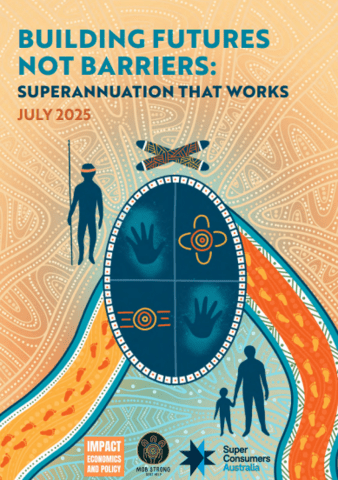
Building futures not barriers: superannuation that works
This report gathers case studies and evidence on issues First Nations Australians are facing with superannuation, and provides practical solutions and recommendations for improvement. It identifies key barriers and shows that many First Nations peoples are shut out of the superannuation system and denied access to their savings.
Evaluation
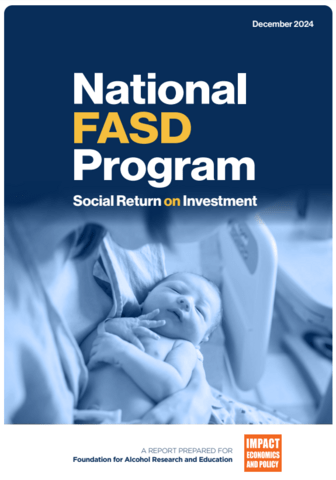
National FASD program: social return on investment
The Every Moment Matters advocacy campaign aims to support alcohol-free pregnancies and safe breastfeeding practices across Australia. This report quantifies the social, economic, and health outcomes achieved through the campaign. The findings reveal that every dollar invested in the campaign yields substantial benefits delivering an economic return of $9.
Report
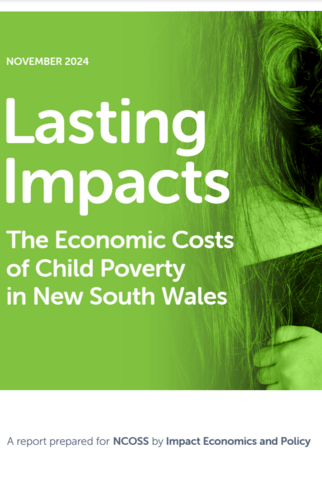
Lasting impacts: the economic costs of child poverty in New South Wales
This report reveals that child poverty costs the NSW economy approximately $60 billion annually – 7.6 per cent of the state’s Gross State Product. The report highlights the far-reaching consequences of child poverty, including reduced educational attainment, poor health outcomes, and diminished workforce participation, which perpetuate cycles of disadvantage and lead to significant social and...
Report
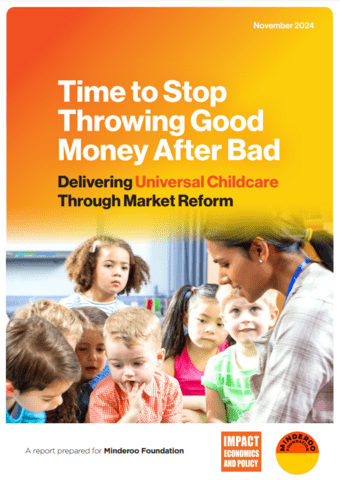
Time to stop throwing good money after bad: delivering universal childcare through market reform
This report makes the case for fundamental market reform of early childhood education and care in Australia. The current market settings are leading to higher fees, rather than driving cost effective and higher quality care. There are large benefits from reforming early childhood education and care and moving to a universal system.
Report
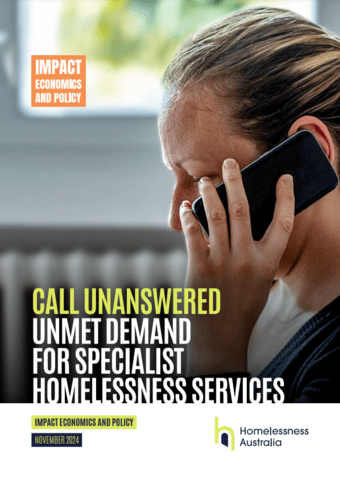
Call unanswered: unmet demand for Specialist Homelessness Services
This report examines the increasing strain on Specialist Homelessness Services struggling to meet demand during the worsening housing crisis. It highlights gaps in service delivery and calls for urgent action through increased funding, early intervention programs and a Housing First approach.