

Report
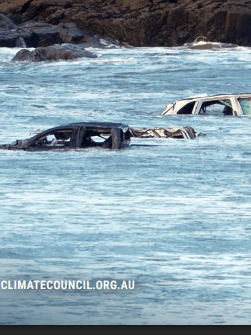
Breakneck speed: summer of climate whiplash
Across Australia during the summer of Dec 2025 to Feb 2026, communities experienced 'climate whiplash' – a phenomenon in which climate flips between extremes at accelerating speed. This report finds record global levels of coal, oil and gas pollution are overtaking natural climate drivers like El Niño and La Niña – accelerating these events.
Report
When cities burn: could the LA fires happen here?
At least 6.9 million Australians living on the expanding fringes of our capital cities could be at risk from urban fires supercharged by climate pollution this report finds. It details how climate pollution is turbo-charging dangerous fire conditions.
Report
Property value flood risk report: how floods are impacting Australian property values
Extreme weather is reshaping Australia’s housing market. This report analyses more than 20 years of historical residential property data alongside flood risk. It examines what this flood risk means for the individual and collective value of Australia's properties. It finds that flood risk has cost Australians $42.2 billion, with 1 in 6 Australian homes at...
Report
Eye of the storm: how climate pollution fuels more intense and destructive cyclones
As oceans heat up, it is predicted that Australians will experience fewer cyclones but they will be more extreme. In 2025, Tropical Cyclone Alfred caused torrential rains, coastal flooding and powerful winds across the country. This report asserts the intensity and devastation of this event was fuelled by climate pollution. It calls for rapidly cutting...
Report
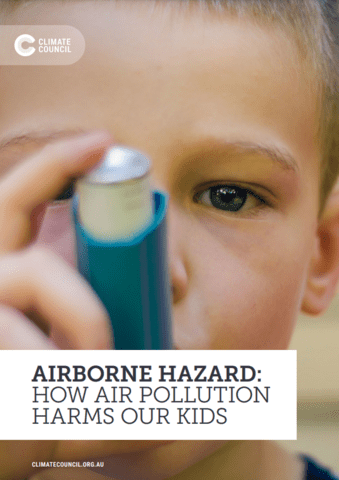
Airborne hazard: how air pollution harms our kids
This report explores the latest research, from Australia and internationally, on how air pollution is harming Australians today, and explains why children - who are still growing, breathe faster and spend more time outdoors - are particularly vulnerable.