

Organisation
Climate Council
Alternate Name:
Climate Council of Australia
Website:
Report
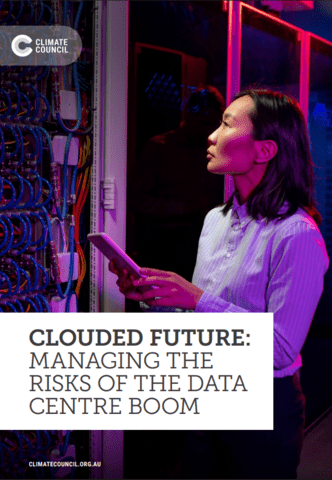
Clouded future: managing the risks of the data centre boom
A surge in Australian data centre construction driven by artificial intelligence (AI) risks pushing up power bills and climate pollution, according to this report. With more than 90 projects in the pipeline, this report proposes that every new data centre in Australia must be subject to strong standards for both its energy and water use.
Briefing paper
Pedal to the metal: a budget to break free from fuel chaos
Australian households are being hit by another global fuel shock. Australia's heavy reliance on fossil fuels means international crises quickly translate into higher costs at home. This report proposes that a step-change, focused on electrification, renewables, batteries and cleaner transport, can cut fossils fuel dependency permanently.
Report
Safeguard Mechanism emissions sensitivities and baseline impacts
Australia's Safeguard Mechanism – designed to cut industrial climate pollution – is up for review in 2026–27. This new modelling shows the scheme is on track to fall well short of Australia’s 2035 climate target unless urgent reforms are made. The report finds that the scheme is being gamed by coal and gas corporations.
Report
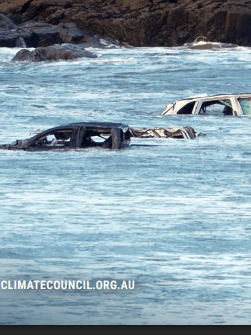
Breakneck speed: summer of climate whiplash
Across Australia during the summer of Dec 2025 to Feb 2026, communities experienced 'climate whiplash' – a phenomenon in which climate flips between extremes at accelerating speed. This report finds record global levels of coal, oil and gas pollution are overtaking natural climate drivers like El Niño and La Niña – accelerating these events.
Briefing paper
Fuel shock: why clean energy is our best defence
The escalating conflict in Iran and neighbouring countries is a significant risk to Australian households. When fossil fuel supply is threatened, prices spike and Australians pay. This is Australia’s core energy vulnerability. This paper proposes to reduce dependence by accelerating renewable energy and the electrification of homes, businesses and transport.