

Prevention
Alternative labels
Prevention-based approaches
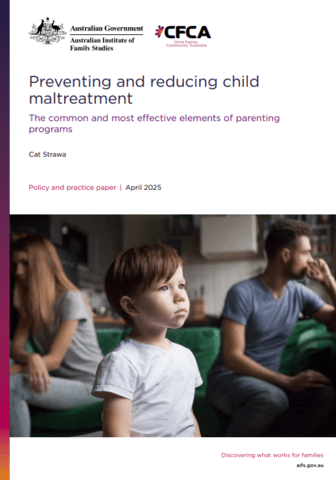
Report
Preventing and reducing child maltreatment
This policy and practice paper outlines the research evidence on the effectiveness of parenting programs for preventing or reducing child maltreatment. It discusses research on the specific practices, content and techniques used within parenting programs and those most commonly used in effective programs or that may increase program effectiveness.
Strategy
National suicide prevention strategy 2025–2035
Drawing on the latest research, evidence and insights from people with lived and living experience of suicide, the strategy outlines a comprehensive approach to suicide prevention. It aims to unify the efforts of governments, communities and service providers to improve suicide prevention outcomes. The strategy is organised into three domains.
Strategy
Gayaa Dhuwi (Proud Spirit) declaration framework and implementation plan
A 10-year roadmap to embed Aboriginal and Torres Strait Islander leadership, cultural strength and best practices into Australia’s mental health system. The plan provides a strategic approach to achieving the highest standard of social and emotional wellbeing, mental health and suicide prevention for Aboriginal and Torres Strait Islander peoples, focusing on five key themes.
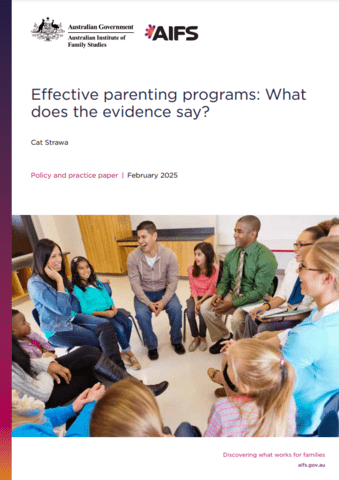
Research Summary
Effective parenting programs: What does the evidence say?
This report summarises the evidence on the effectiveness of parenting programs, which populations they can support and when they can be effective. It finds the evidence for which specific components make programs effective is currently ambiguous, but that parenting programs overall can be effective for both general and specific populations.
Discussion paper
The preventative shift
For government to break out of the loop of demand for public services and innovate, it needs to find a way to prioritise prevention over day-to-day expenditure. This paper looks at how to shift the culture of public organisations to think ‘prevention first’ and target spending at activities which promise value for money and improve...