

Prevention
Alternative labels
Prevention-based approaches
Report
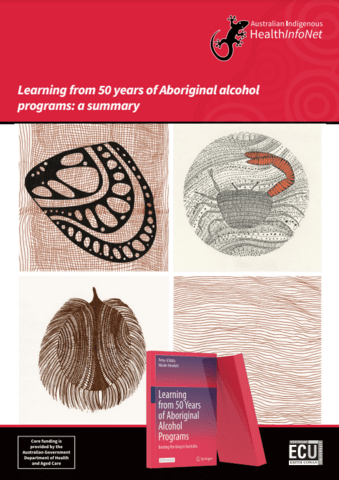
Learning from 50 years of Aboriginal alcohol programs: a summary
An accessible synthesis of information and research from the book 'Learning from 50 years of Aboriginal alcohol programs: beating the grog in Australia'. The summary includes key messages and practice information directly relevant to the workforce. It broadly summarises past efforts to inform future policy and practice focused on preventing and reducing harms from alcohol...
Report
Counting what matters: how to classify, account and track spending for prevention
This paper analyses the current constitutional and operational framework for a new classification of public expenditure. The aim is to identify expenditure and encourage the ‘shift to prevention’. It considers three expenditure areas in the United Kingdom: health, homelessness and children’s social care. By differentiating between everyday spending and preventative spending, the government could measure...
Report
National strategy to prevent and respond to child sexual abuse 2021–2030: second annual report 2024
This report provides the second update on the implementation of the National Strategy. It updates key achievements and progress for all 62 activities outlined in the Strategy’s initial action plan. The report notes significant progress, with seven National Strategy activities now completed.
Survey Report
2024 Commonwealth integrity survey
This survey was conducted to help understand the nature and extent of risk, and perceptions of integrity and corruption in the Australian public sector. Employees largely had faith in the integrity of their agency (79%). The results will inform the National Anti-Corruption Commission's corruption prevention and education initiatives.
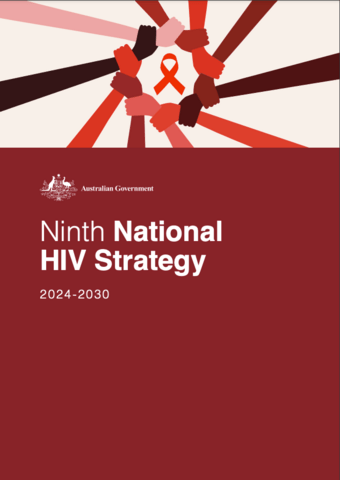
Strategy
Ninth national HIV strategy 2024-2030
A framework to guide and coordinate Australia’s national response towards virtual elimination of HIV transmission by 2030. The Strategy focuses on reducing new and late diagnoses, improving HIV outcomes for priority populations, implementing new models for testing and treatment, and addressing ongoing stigma and discrimination.