

Heat stress
Alternative labels
Outdoor thermal discomfort
Heatwave-related morbidity
Report
Lethal humidity and the systemic risks of climate change
Climate change is not only warming the planet but also increasing humidity. This report focuses primarily on the broad category of extreme humid-heat events. The report’s main objective is to show that the impacts aren’t isolated: they cascade through societies, magnified by other climate hazards, such as storms and flooding.
Survey Report
Heat in homes: survey report 2026
This Australian survey explores people’s experience of heat in homes. It highlights the connections between housing quality, energy affordability, climate change and health impacts. It found 75% of respondents said they struggle to cool their homes. The report makes 18 recommendations. It calls for greater government intervention and support to help people stay safe in...
Report
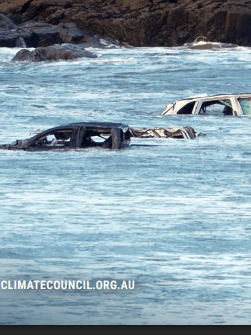
Breakneck speed: summer of climate whiplash
Across Australia during the summer of Dec 2025 to Feb 2026, communities experienced 'climate whiplash' – a phenomenon in which climate flips between extremes at accelerating speed. This report finds record global levels of coal, oil and gas pollution are overtaking natural climate drivers like El Niño and La Niña – accelerating these events.
Report
How climate change affects mental health in Australia
A growing body of evidence shows mental ill-health from climate change impacts has grown in recent years, with children and young people among those most at risk. To successfully address climate mental health impacts, action is required at multiple levels – individual, organisational and local community as well as state and national policy.
Report
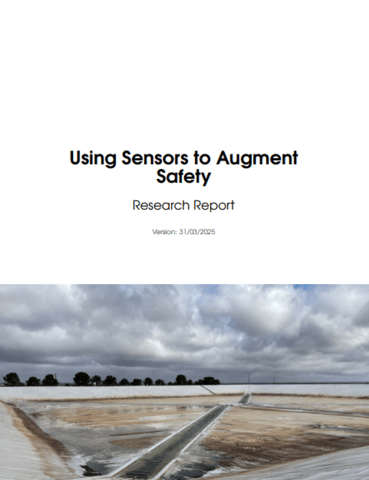
Using sensors to augment safety
This research explored the potential of smart wearables to enhance safety in water utility operations – an area not yet widely studied. The project trialled a mix of established and emerging sensing technologies across three sites in South Australia. The research highlights the value of integrating wearable technologies into safety systems for water utilities.