

Emissions reduction
Alternative labels
Carbon abatement
Emission reduction
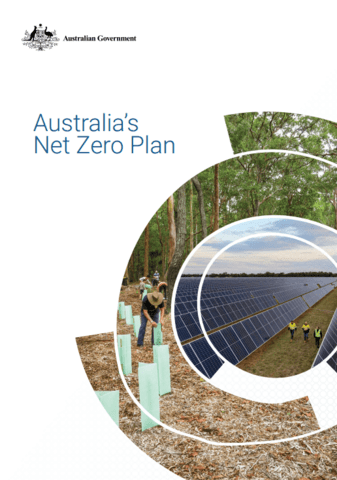
Strategy
Australia's net zero plan
The Australian Government has set a national target to reduce emissions by 62–70% below 2005 levels by 2035. This plan provides a pathway to achieve the 2035 target. It is focused on five priorities: clean electricity, lowering emissions, expanding clean fuel use, accelerating new technologies and net carbon removals scaled up.

Report
High-impact decisions that reduce household emissions
In Australia, residential buildings account for 11% of greenhouse gas emissions. This report presents the findings of a 2023 survey to understand how Australians handle the decision to make a home energy upgrade. Understanding the capabilities, opportunities and motivations driving home energy upgrade decisions is the first step in identifying ways to increase uptake.
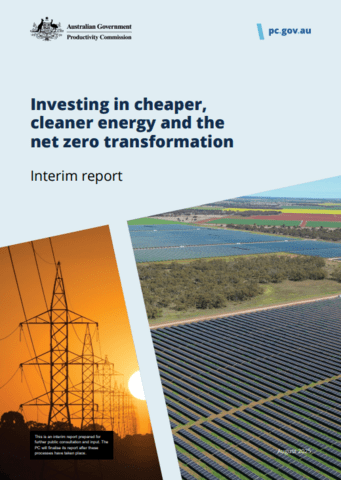
Report
Investing in cheaper, cleaner energy and the net zero transformation: interim report
This interim report, one of the five productivity inquiries to boost Australia’s productivity, finds that consistent incentives and faster approvals are key to the net zero transformation. It presents draft recommendations focused on: reducing the cost of meeting emissions targets, speeding up approvals for new energy infrastructure and addressing barriers to private investment in adaptation.
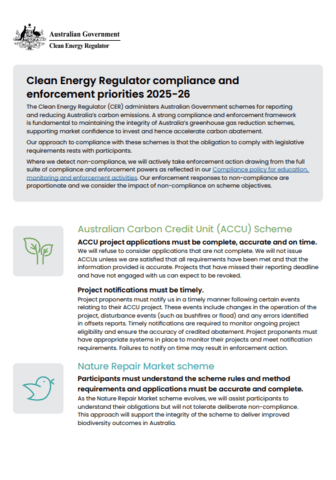
Guide
Clean Energy Regulator compliance and enforcement priorities 2025–26
The Clean Energy Regulator administers Australian Government emission reduction schemes. The priorities describe the regulator's compliance and enforcement focus for the year ahead. They highlight areas of actual and potential risk to the integrity of the schemes. A strong compliance and enforcement framework is fundamental to maintaining the integrity of the schemes and accelerating carbon...
Report
The Safeguard Mechanism: Australia’s self-imposed ‘Trump tariff’
The Safeguard Mechanism is the federal government’s net zero policy which targets and mandates large projects and facilities to reduce emissions. This paper finds that the carbon credit cost under the Safeguard Mechanism represents a more significant risk to Australia’s exporters than the tariffs imposed by the United States Trump Administration.