

Foreign interference
Report
Shifting the needle: making Australia’s research security ecosystem work smarter
This report outlines Australia’s approach to research security. The threats that are confronting Australia are adapting, and so Australia’s approach will similarly need to adapt. The report argues that Australia’s research security posture must evolve, moving beyond the narrow lens of countering foreign interference and espionage to a broader, more integrated and risk-based framework.
Database
Global weaponised trade and economic coercion case studies database: 2008-24
In a world of intensifying geopolitical contest, understanding the dynamics of economic statecraft has never been more important. This global dataset curates case studies involving allegations or claims of economic coercion and/or weaponised trade from 2008 to the end of 2024. Each case study outlines the context, measures, impact, responses of stakeholders and current status.
Discussion paper
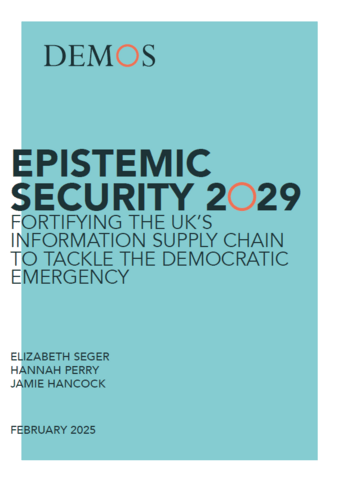
Epistemic security 2029
This paper draws urgent attention to securing healthy and robust information supply chains within the UK and building resilience to adverse influences. It identifies points of vulnerability in today’s information supply chains and sets out five actionable recommendations that can be taken by government to safeguard its epistemic security, setting an example for others.
Report
Assessing the preparedness of emerging economies to defend against cyber-enabled IP theft
This report examines the vulnerability of emerging economies across the Indo-Pacific and Latin America in the face of economic cyber espionage and the degree to which major emerging economies in these regions are prepared to respond. Countries in the study have been assessed and given a risk label indicating their vulnerability.
Report
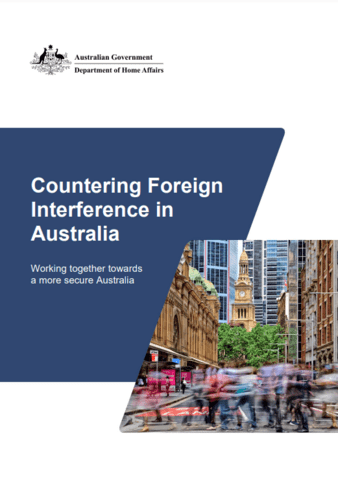
Countering foreign interference in Australia
Australia is the target of sophisticated and persistent foreign interference activities. This report details the threats posed by foreign interference to our nation’s sovereignty, democracy and national interests. It identifies the sectors most at risk, outlines the government measures implemented to combat these threats and offers practical advice for individuals and organisations to protect themselves.