

Overweight children
Alternative labels
Obesity in children

Report
A preventable crisis: tackling the long-term impacts of obesity on Australians’ health and prosperity
Around 66% of Australian adults are overweight or obese. This places Australia higher than average for developed countries, and rates in Australia have been climbing over recent years. This report charts a course for reform and provides several recommendations and policy options for government to consider.
Position paper
Working with children above a healthy weight: nurse-led interventions
Despite solid policy development, the proportion of children above a healthy weight continues to rise. This position statement is recommending that every school-aged child in Australia should have ready access to a suitably qualified registered nurse to provide care and guidance to ensure the maintenance of healthy weight. This is one of the evidence-based recommendations...
Report
Obesity in Australia: a time for action
In the past 20 years, Australian governments have drafted numerous strategy frameworks to tackle obesity. Since then, little has been done to implement this strategy. This report shows there has been no lasting comprehensive action that has flowed from previous and current strategies. This report outlines an agreed suite of evidence-based obesity related interventions that...
Briefing paper
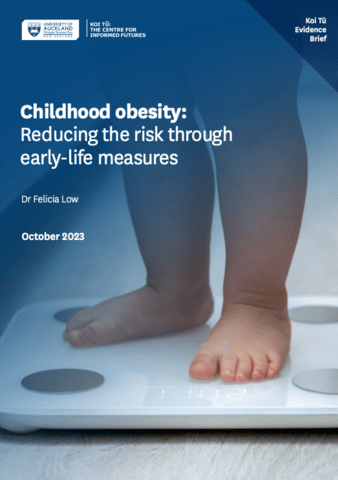
Childhood obesity: reducing the risk through early-life measures
This evidence brief focuses on how early life nutrition, including prenatal exposures, caregiver feeding practices and childhood eating behaviours, contributes to overweight and obesity risk in children.
Report
Fix my food: children’s views on transforming food systems
This report details the results of workshops run by UNICEF and the Young and Resilient Research Centre at Western Sydney University, where over 700 children and adolescents aged 10-19 from significantly diverse backgrounds participated in two-and-a-half-hour workshops to share their lived experiences, insights and perspectives on food systems.