

Algorithms
Policy report
The flipside of China’s central bank digital currency
China’s central bank digital currency, known as ‘DC/EP’ (digital currency/electronic payment), is rapidly progressing and, if successful, will have major international implications that have not yet been widely considered by policymakers.

Guide
Poverty lawgorithms
Automated decision-making systems make decisions about our lives, and those with low-socioeconomic status often bear the brunt of the harms these decisions cause. This guide explains automated decision-making systems so lawyers can better identify the source of their clients' problems and advocate on their behalf.

Strategy
Algorithm charter for Aotearoa New Zealand
This Charter is a commitment by government agencies to carefully manage how algorithms will be used to strike the right balance between privacy and transparency, prevent unintended bias and reflect the principles of the Treaty of Waitangi.
Policy report
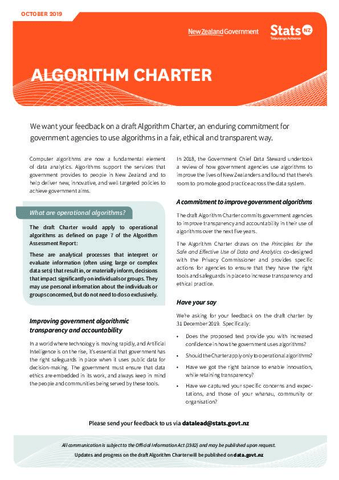
Algorithm charter
The Minister of Statistics has launched a draft Algorithm charter that commits government agencies to improving transparency and accountability in their use of algorithms over the next five years. This is a response to the recommendations from the Algorithm assessment report in 2018.

Briefing paper
Data analytics and algorithmic bias in policing
This paper summarises the use of analytics and algorithms for policing within England and Wales, and explores different types of bias that can arise during the product lifecycle. The findings are based on in-depth consultation with police forces, civil society organisations, academics and legal experts.