

Electronic surveillance
Alternative labels
Body worn cameras
Report
How police body-worn cameras can facilitate misidentification in domestic and family violence responses
Police body-worn camera (BWC) technologies are deployed by all Australian police agencies, including in frontline responses to domestic and family violence (DFV). This paper presents the findings from the first Australian study focused on how women DFV victim-survivors view and experience BWC technology in police call-outs and legal proceedings.
Report
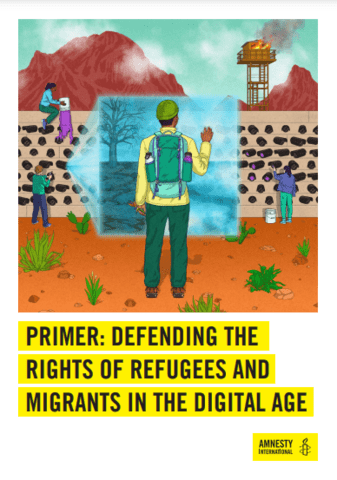
Primer: defending the rights of refugees and migrants in the digital age
This paper presents a high-level snapshot of some of the key digital technology developments in asylum and migration management systems, in particular systems that process large quantities of data, and highlights some of Amnesty International’s key human rights concerns.
Article
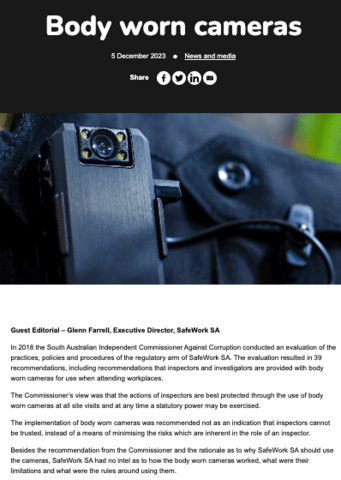
Body worn cameras
This article discusses an evaluation of a trial of body worn cameras by SafeWork SA inspectors and investigators when attending workplaces. The trial showed that there were several benefits to implementing the use of body worn cameras.
Policy report
Surveillance, privacy and agency: insights from China
The Chinese Communist Party operates a society-wide system of tech-enhanced authoritarian governance, facilitated by a sophisticated online censorship apparatus and internet-linked physical surveillance devices. This report outlines how the party-state communicates on issues related to surveillance, as well as people’s views on state surveillance, data privacy, facial recognition, DNA collection and data-management technologies.
Report
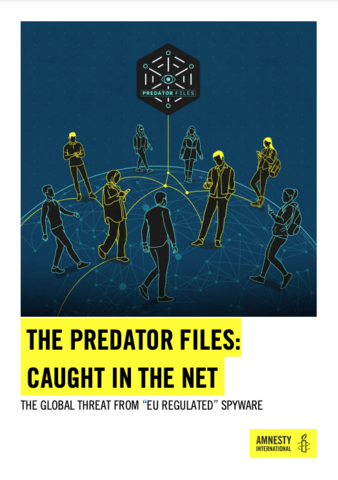
The Predator Files: caught in the net
This report lays out the human rights implications of the 'Predator Files' disclosures, which show how a suite of highly invasive surveillance technologies, supplied by the Intellexa alliance, is being sold and transferred around the world with impunity.