

Smartphones
Report
Digital addiction: evidence and policy implications
This research finds evidence that digital addiction drives about one-third of social media use. It finds that many people use more social media than they would like, placing digital media alongside other addictive goods. The paper concludes that policymakers should consider interventions that would help users act in accordance with their own long-run preferences.
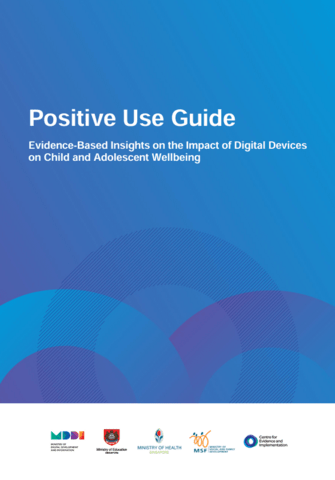
Guide
Positive use guide: evidence-based insights on the impact of digital devices on child and adolescent wellbeing
This guide provides evidence-based practical tips and checklists on how to manage screen time for children and adolescents in Singapore to help them build a normalised, lifelong relationship with technology. The guide discusses how screen use has both positive and negative effects. It finds screen use has a less significant role in wellbeing than other...

Report
Smartphone sharing with intimate partners: implications for telecommunications consumer cybersecurity
While cybersecurity self-help advice is readily available to consumers, most advice is ill-suited to intimate relationship contexts where sharing is common. This study creates a new evidence base to understand everyday consumer smartphone sharing in intimate relationships to improve cybersecurity and technology design for all Australians.
Report
Teens, social media and technology 2024
Amid concerns about technology’s impact on youth, many teens are as digitally connected as ever. Most U.S. teens use social media and have a smartphone, and nearly half say they’re online almost constantly, according to this survey of young people aged 13 to 17.
Conference paper
Digital public space: imagining the everyday impacts of infrastructure transitions
This paper will outline a novel understanding of how people sense and make sense of the digital by using speculative visual research methods to approach the digital as part of the ongoing configuration of urban public space.