

New Zealand
Report
Building a pro-integrity culture in the public sector
The review includes a range of practical actions that have been taken to improve pro-integrity cultures across the Victorian public sector. It provides a framework that can assist the sector to identify different approaches for the development of fit-for-purpose interventions. The analysis is shared here for the benefit of practitioners across the sector.
Report
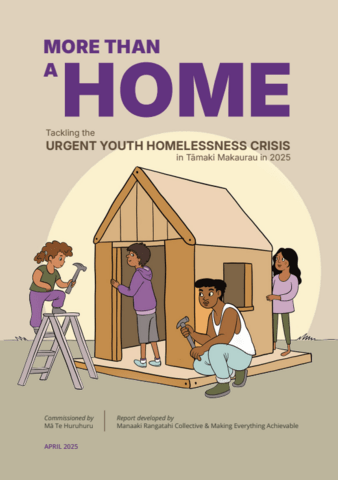
More than a home: tackling the urgent youth homelessness crisis in Tāmaki Makaurau in 2025
This report is a call to action that confronts the youth homelessness crisis in Tāmaki Makaurau (Auckland, New Zealand). It centres the voices, dreams and lived experiences of young people facing homelessness. The report urges policymakers to create systemic change that ensures taitamariki (young people) are not just sheltered, but truly supported to belong and...
Book
Wellbeing and policy: evidence for action
This book surveys and synthesises recent developments in wellbeing science and policy to highlight key lessons learned and to offer actionable insights for policymaking. It examines the state of the art on wellbeing policy frameworks in diverse contexts, documenting interventions by governmental, private or non-governmental organisations. Case studies include Australia.
Strategy
Strategy to prevent and minimise gambling harm 2025/26 to 2027/28
This strategy sets out New Zealand’s approach to funding and coordinating services to prevent and minimise gambling harm. It strengthens alignment with mental health priorities by providing additional funding to improve access to services and treatment, focus on prevention and early intervention, and enable more effective service support.
Report
Built to last: how can we take a more strategic approach to infrastructure asset management in Aotearoa New Zealand?
This report warns that many of Aotearoa New Zealand's mounting infrastructure challenges stem from a preventable lack of basic upkeep of assets. It calls for fundamental changes, including ring-fencing renewal funding, increasing transparency and ensuring infrastructure investment decisions consider full asset lifecycles rather than just upfront costs.