

Report
Report
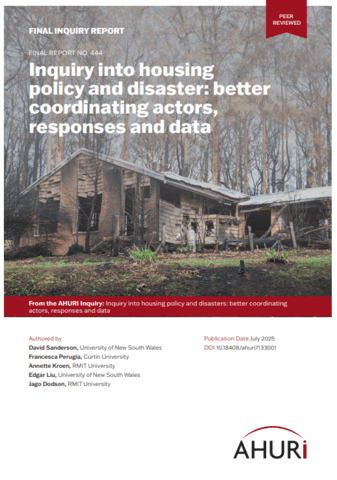
Inquiry into housing policy and disaster: better coordinating actors, responses and data
The coordination and integration of housing policy and settlement planning with disaster prevention, preparedness, response and recovery is essential. This final report finds that climate-related disasters in Australia are set to increase. To keep up, policies, practices and priorities must be better coordinated to meet both short- and long-term needs.
Report
Match-fit for the global contest? Innovation, leadership, culture and the future of Australia’s national intelligence community
The business model of the Australian national intelligence community (NIC) is being challenged. In 2025, technology is the centre of gravity of national power, not just military might. Informed by stakeholder engagement, this report finds there’s much more that can be done when it comes to the NIC and innovation. The report makes five key...
Report
The Safeguard Mechanism: Australia’s self-imposed ‘Trump tariff’
The Safeguard Mechanism is the federal government’s net zero policy which targets and mandates large projects and facilities to reduce emissions. This paper finds that the carbon credit cost under the Safeguard Mechanism represents a more significant risk to Australia’s exporters than the tariffs imposed by the United States Trump Administration.
Report
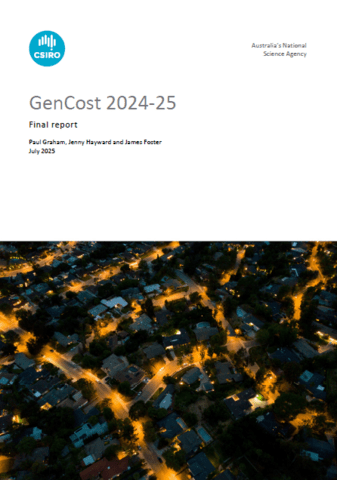
GenCost 2024-25: final report
GenCost is a leading annual economic report that estimates the cost of building new electricity generation, storage and hydrogen production in Australia to 2050. This report recognises that Australia’s future electricity system needs a mix of technologies to remain reliable, secure and flexible – with cost being just one part of the equation.
Report
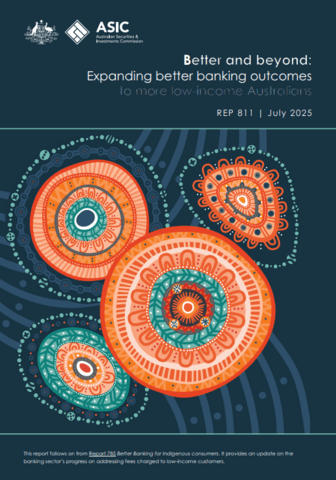
Better and beyond: expanding better banking outcomes to more low-income Australians
The report provides an update on the banking sector’s progress on addressing fees charged to low-income customers. This included how each bank was reviewing transaction data to identify low-income customers and addressing fee harm for low-income customers in high-fee transaction accounts. The report found even larger numbers of low-income Australians paying too much.