

Report
Report
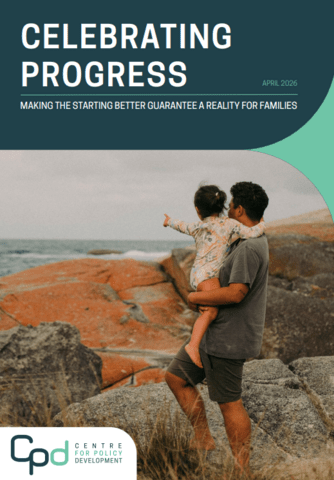
Celebrating progress: making the Starting Better Guarantee a reality for families
The Starting Better Guarantee was a national goal to make Australia the best place to be a child and raise a family. It proposed an entitlement to a set of high-quality, affordable and connected services in the early years. This report shows the wins achieved and the priorities ahead to realise the Guarantee in full.

Report
How are kerbside chargers used?
This report presents insights into the usage of a kerbside charging network in the Eastern Suburbs of Sydney, Australia. It identifies essential features required to make high quality charging sites, as well as higher power charging with short duration dedicated parking spaces. It finds one third of charging demand currently occurs during evening peak grid...
Report
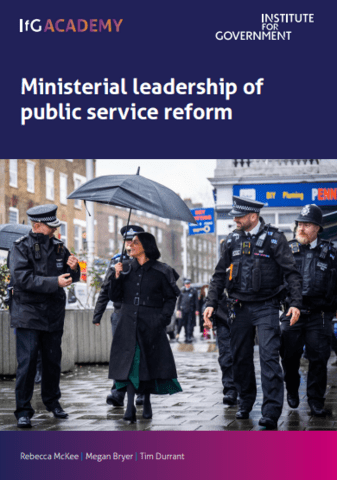
Ministerial leadership of public service reform
This paper outlines how ministers can be effective leaders of public service reform and drive change across the system. Drawing on studies of successful public service reform in the United Kingdom, it explores what effective leadership looks like in public service reform, and the lessons this holds for current and future ministers.
Report
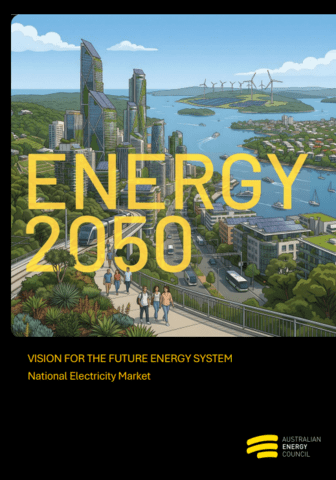
Energy 2050: vision for the future energy system
Energy2050 is intended to be a vision statement, illustrating what it will take to deliver a net zero energy system in Australia while balancing affordability, reliability and sustainability. It seeks to illustrate key enablers in both the National Electricity Market and the South West Interconnected System that will allow the sector to successfully deliver the...
Report
National Disability Insurance Scheme participation by younger people living in residential aged care
By linking aged care and National Disability Insurance Scheme (NDIS) data, this report provides unique insights about younger people living in residential aged care. Key findings include that funding for specialist disability accommodation is used by less than one in three of the NDIS participants who have it.