

Chile
Discussion paper
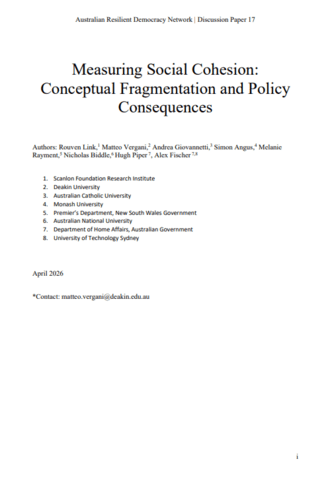
Measuring social cohesion: conceptual fragmentation and policy consequences
Governments, academics and communities have defined social cohesion through multiple, overlapping lenses. This paper aims to identify tensions in current definitional frameworks. It seeks to inform policy discussions on how to operationalise social cohesion as part of a wider system approach. The paper summarises four international case studies and measurement approaches, including Australia.
Briefing paper
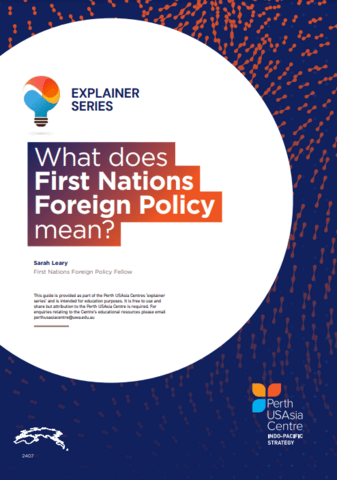
What does First Nations foreign policy mean?
This paper provides a guide to First Nations foreign policy which seeks to embed the unique experiences and perspectives of indigenous people into a country’s international policy priorities and programs. When a country adopts a First Nations foreign policy approach to their interactions with the world, it is often based on the principles of mutual...
Guide
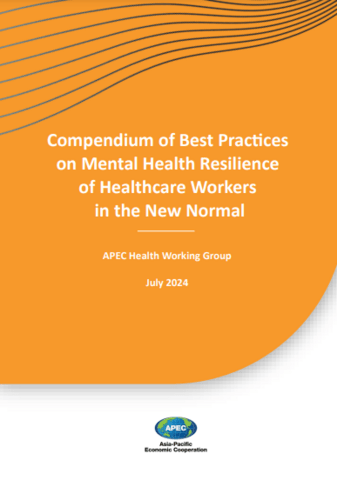
Compendium of best practices on mental health resilience of healthcare workers in the new normal
This resource provides a comprehensive consolidation of evidence-based mental health strategies for improving the mental health of healthcare workers and serves as a guide for healthcare institutions striving to protect their dedicated healthcare workers amid the demands of the 'new normal'.
Report
Multiculturalism, Identity and Influence Project: 2020-2023 summary
The Multiculturalism, Identity and Influence Project has contributed a unique and extensive body of data and analysis to inform public and policy discussions on how Chinese-Australian communities see Australia and their place in it. This capstone report summarises the findings of the project’s major outputs, including providing a consolidated analysis of three years of focus...
Fact sheet
Fact Check: Josh Frydenberg says Melbourne is the world's most locked down city. Is that correct?
As lockdown rules eased for millions of weary Melburnians, Federal Treasurer Josh Frydenberg asserted that no other city on the planet had suffered for so long under these restrictions during the COVID-19 pandemic. Verdict: Mr Frydenberg's claim is not clear cut.