

 SHARE
SHARE
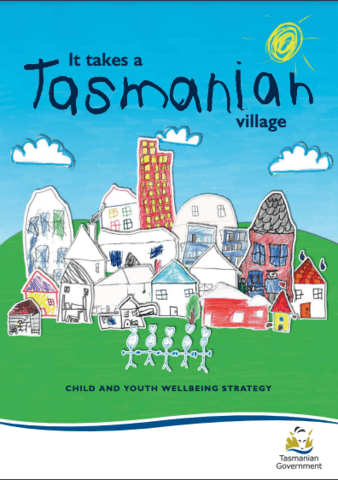
It takes a Tasmanian village: child and youth wellbeing strategy

The Tasmanian Government has developed Tasmania’s first Child and Youth Wellbeing Strategy for 0-25 year olds, which has a specific focus on the first 1,000 days (the critical early years, from pregnancy to two years old).
The $100 million four-year Strategy contains 65 initiatives that support the wellbeing of 0 to 25 year olds. The Strategy also provides a wellbeing framework for future four-year plans.
Ten principles that guide the implementation of the Strategy.
1. Acknowledging that the family and extended family of the child has the primary responsibility for the care, upbringing and development of their child/children and to provide them with information to access available services which will assist in providing a nurturing environment for their children.
2. Providing opportunities for Tasmanian Aboriginal children and young people to connect to community and country and working in partnership with Tasmanian Aboriginal people to ensure life outcomes for Tasmanian Aboriginal children and young people are equal to all Tasmanian children and youth.
3. Understanding the varying relationships that influence each child and young person we work with.
4. Providing the opportunity for, and supporting, children and young people to have a voice in decisions that affect them.
5. Providing a range of education and training opportunities to ensure children and young people can participate in life-long learning and employment.
6. Recognising the individuality of children and young people and treating them without discrimination and with respect.
7. Providing children and young people opportunities to explore topics that interest them in a manner that supports learning and reduces anxiety.
8. Providing a range of recreational and social opportunities for children and young people in the areas in which they live.
9. Fulfilling our preventative and statutory responsibilities against all forms of violence against children and young people.
10. Supporting positive mental and physical health outcomes for children and young people in a way that aligns with the Government’s Tasmania Statement on Working Together for the Health and Wellbeing of all Tasmanians.
