

Report
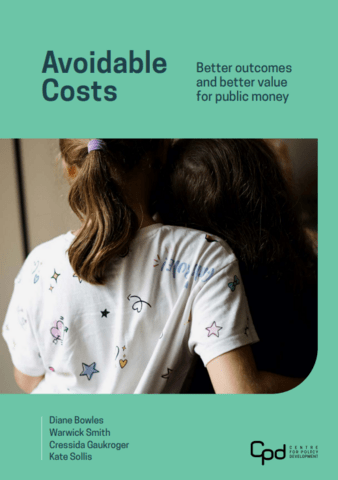
Avoidable costs: better outcomes and better value for public money
This report illustrates the substantial direct costs governments incur by failing to address the root causes of social and environmental issues. The report uses three examples – childhood poverty, preventable disease and chemical contamination – to illustrate the extent of avoidable spending, and make the fiscal case for tackling issues as early as possible.
Briefing paper
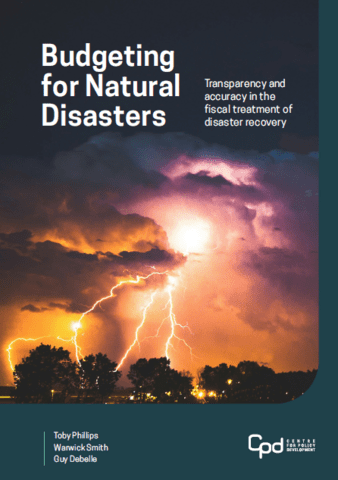
Budgeting for natural disasters
Natural disasters like bushfires, floods and cyclones aren’t rare or unpredictable. They’re inevitable and should be planned and budgeted for accordingly. But currently, the federal budget only includes disaster recovery spending for events that have already happened. This paper argues that estimated future disaster costs should be included in existing budget lines.
Discussion paper
A national conversation on Measuring What Matters in Australia
With the release of its Measuring What Matters framework the Australian Government has taken the first steps to embedding wellbeing in policy and decision-making. Critical to its success will be gaining the perspectives and buy-in of the Australian public. This paper provides the foundations to support the government and community sector to embark on a...
Report
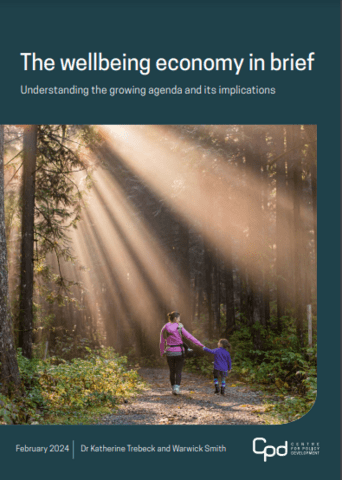
The wellbeing economy in brief: understanding the growing agenda and its implications
This publication contains a collection of mini briefing papers that look at the idea of a wellbeing economy, how it relates to other ideas for economic change, and what some of the core elements of a wellbeing economy are.

Report
Redefining progress: global lessons for an Australian approach to wellbeing
Looking at 21 global approaches to wellbeing over the past 50 years, this report identifies four key characteristics of advanced wellbeing approaches to guide an Australia’s wellbeing journey.