

Social impact
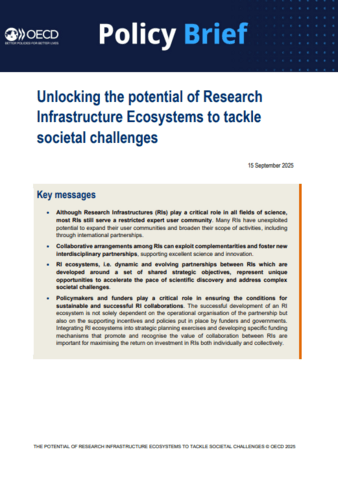
Briefing paper
Unlocking the potential of research infrastructure ecosystems to tackle societal challenges
This policy brief examines how Research Infrastructures (RIs) can move beyond serving specialist scientific communities to play a broader role in addressing major societal challenges. Drawing on lessons from the COVID-19 response, it highlights the untapped potential of RI ecosystems to foster interdisciplinary collaboration, support innovation and inform public policy.

Report
Costly reactions: the economic and social cost of allergic disease in Australia
This report quantifies the cost of allergic disease in Australia by the economic and wellbeing impact of allergic disease on the person with allergic disease, the broader health system, the economy and the community. In 2024, it is estimated that allergic disease impacts approximately 8.2 million Australians, with an estimated total financial cost of $18.9...
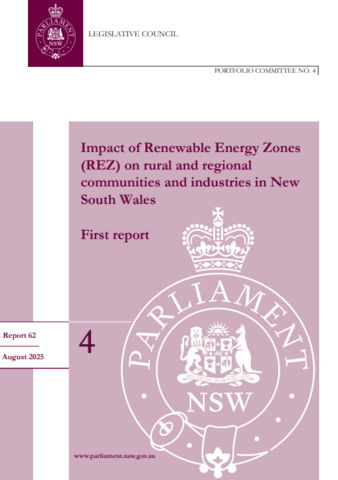
Report
Impact of Renewable Energy Zones (REZ) on rural and regional communities and industries in New South Wales
An inquiry into and report on the impact of Renewable Energy Zones (REZs) on rural and regional communities and industries in New South Wales. A key finding from this first report found that a significant proportion of the Central-West Orana community believe the REZ has negatively impacted the region. The report makes six findings and...
Article
After the merger: insights from not-for-profit leaders
Not-for-profit (NFP) mergers could be a way to significantly increase impact and continue to sustainably deliver impact. In this article, five leaders from the Australian NFP sector share five recommendations on what worked in their mergers and what they could have done differently. They represent the disability, aged care, community services, and justice and legal...

Report
Cybercrime in Australia 2024
This report describes cybercrime victimisation, help-seeking and harms among Australian computer users. The report found that rates of victimisation remain high, formal help-seeking remains low, and a large proportion of victims are negatively impacted by cybercrime. Certain sections of the community were found to be more likely than others to fall victim to cybercrime.