

Gender-based violence
Alternative labels
Violence against women
Gender based violence
VAWG
Violence against women and girls
Report
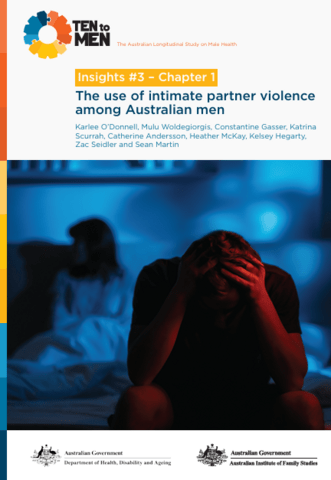
The use of intimate partner violence among Australian men
This research explores the use of intimate partner violence among Australian men, including factors that may reduce the likelihood of such behaviours. In the nationwide survey, around 1 in 3 men reported they had used a form of intimate partner violence. A public health approach is taken that considers the power of improving men’s health...
Guide
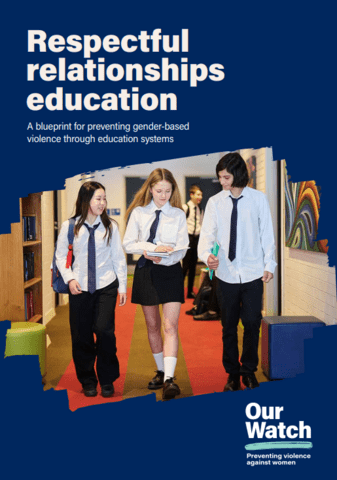
Respectful relationships education
Gender-based violence is a serious and pervasive issue in Australian schools. This blueprint provides a practical, evidence-based framework for governments on how to successfully implement, coordinate and monitor an evidenced-based approach to respectful relationships education. It identifies three key phases for education policy and decision makers to consider in implementing this approach.
Journal article
The prevalence of intimate partner violence in Australia: a national survey
This article presents the results of a survey into the prevalence in Australia of intimate partner violence (IPV), each IPV type and multitype IPV, overall and by gender, age group and sexual orientation. It finds improved prevention is needed in the areas of health care, welfare and justice and that a comprehensive national prevention policy...
Briefing paper
Family and domestic violence in Australia: is enough progress being made?
This briefing paper takes stock of the current incidence and changing nature of family and domestic violence (FDV) in Australia, reporting that FDV-related homicides and police reporting rates are rising. It reflects on the impacts of FDV and what can be done to promote change, including improved resourcing, better coordination of policy, and consistent data...
Infographic
2025 Status of women report card
A report card with the most recent data on the social and economic equality issues facing women in Australia. It highlights key data on gender-based violence, economic equality and security, unpaid and paid care, health, First Nations women, and leadership, representation and decision-making. It finds that Australians are increasingly rejecting problematic beliefs about gender equality.