

Disaster resilience
Report
From wildfire risk to resilience: the investment case for action
Wildfires are now outpacing existing suppression systems and have become one of the most destructive and costly climate-driven risks globally. This white paper highlights that continuing to prioritise suppression and post-disaster response is no longer sufficient. It presents a framework for shifting towards prevention-focused, long-term wildfire resilience by making risk reduction measurable, priceable and financeable.
Report
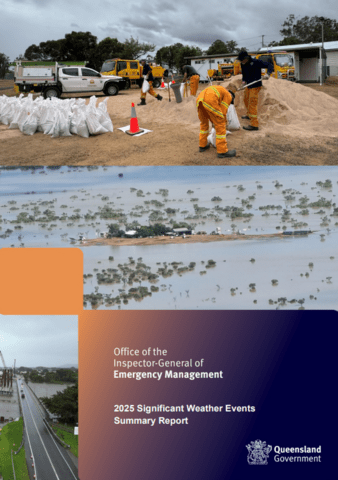
2025 Significant weather events
This report draws together findings from three event reports to provide a consolidated, system‑level view of disaster management performance during the 2025 significant weather events in Queensland. It identifies common strengths, recurring challenges and cross‑cutting themes, and considers how lessons observed can inform future policy, planning, training and operational practice across Queensland’s disaster management arrangements.

Evaluation
Resilience by design: lessons on inclusive AI capabilities from the Australian Red Cross community climate adaptation pilot
This evaluation assesses a pilot project where the Australian Red Cross and the Victorian Dargo community co-designed a preparedness platform using local knowledge, open data and artificial intelligence. It showcases how ethical, inclusive technology development can empower communities against climate risk, while highlighting challenges and innovations in co-designing disaster resilience tools with local stakeholders.
Report
National Volunteer Incentive Scheme (Climate Army)
Volunteers provide essential support for Australia’s emergency response system during bushfires, floods, cyclones and other disasters. This report looks at evidence on boosting volunteer engagement by improving the incentives, training and recognition available for volunteers. It explores the complexities of establishing a national volunteer body able to assist in the response to natural disasters.
Report
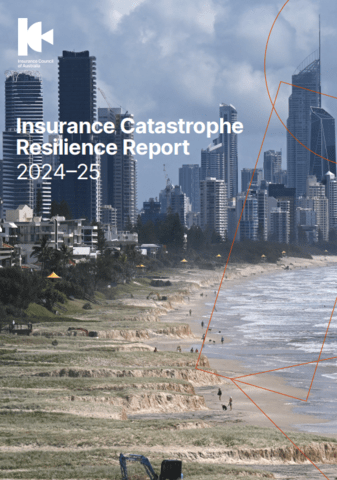
Insurance catastrophe resilience report 2024–25
This report provides data on the cost of extreme weather over the past 12 months in Australia. It highlights policy recommendations that will help Australia adapt to climate risks including defending critical infrastructure, better land use planning and improving building resilience. It finds the gap between those with adequate insurance and those without is widening.