

Maternal and infant welfare
Report
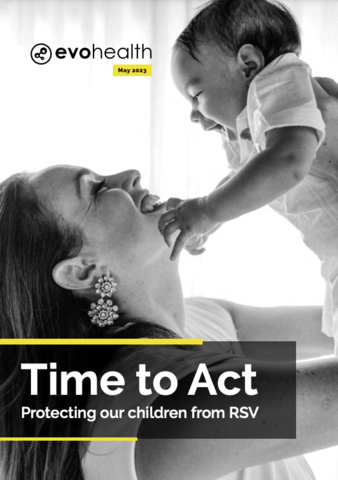
Time to act: protecting our children from RSV
Respiratory syncytial virus (RSV) is the leading cause of hospitalisation for Australian infants and children under 5 years, yet it does not receive the same attention as other common respiratory viruses, such as influenza and COVID-19. This publication analyses the burden of RSV among infants and children in Australia for patients and their families, the...
Evaluation
Accelerated Immunisation and Health Systems Strengthening Program (AIHSS): evaluation report
The Accelerated Immunisation and Health Systems Strengthening (AIHSS) program was funded from 2019-2023 to improve immunisation coverage in Papua New Guinea. The objective was to increase vaccination coverage of children and pregnant women in 11 provinces, aiming to reach at least 80 per cent immunisation coverage. This evaluation considers the relevance, coherence, effectiveness, efficiency, and...
Report
Aboriginal families study: community report
This study was developed in response to gaps in the available evidence to inform health policy and services and was preceded by extensive consultation with Aboriginal communities and services in South Australia.

Report
Te Ao Māori perspectives of what works to support wellbeing in the first thousand days
The purpose of this report was to identify what works to support wellbeing in the first thousand days from a Te Ao Māori (Māori world view) perspective. Whilst this report provides insights into Māori perspectives of tamariki wellbeing, it is uniquely focused on the review of exemplar initiatives that are grounded in Te Ao Māori.

Report
Effects of perinatal conditions and local area socioeconomic status on early childhood mortality in New South Wales: linked data analysis - main report
This report analyses the relationship between early childhood mortality and maternal and baby characteristics at the time of birth (perinatal conditions) using a linked data set covering all babies born in NSW between 2005 and 2018.