

Bias
Alternative labels
Unconscious bias

Report
Stay calibrated: a practical guide to debiasing decision-making
Behavioural science needs a simple, outcome-focused benchmark that can be used to measure the impact of interventions to debias and improve decision-making. This paper proposes one: calibration. The goal of calibration isn’t to eliminate cognitive bias, but to enable good decisions despite it. The paper provides a framework for understanding and measuring calibration, tips and...
Report
Validation of the Violence Risk Scale for Australian male prison populations
The Violence Risk Scale (VRS) is a tool designed to assess and predict risk of future offending, inform decisions around therapeutic intervention and measure changes in violence risk as a result of treatment. This study investigated the discriminative and predictive validity of the VRS for Australian Aboriginal and non-Indigenous males convicted of violent offending in...

Guide
How to support a neurodivergent workforce
Overlooking neurodivergent talent is a missed opportunity. This guide is a starting point for those who want to raise awareness about neurodivergence and the benefits of hiring neurodivergent candidates. It covers how employers can support neurodivergent jobseekers and employees at work through inclusive policies and practices.
Journal article
Implicit bias towards people with disability in Australia: relationship with personal values
This article collected the first data in Australia on implicit bias towards people with disability. It highlights the importance of targeting implicit attitudes and stereotypes alongside personal values in reducing discrimination and improving experiences of people with disability. Policymakers could use the findings to develop community strategies that target awareness and training about implicit biases...
Briefing paper
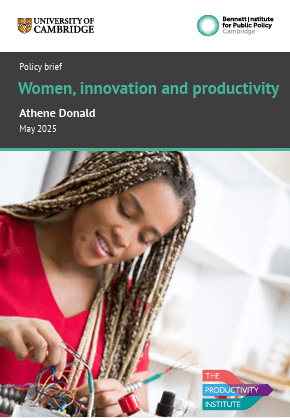
Women, innovation and productivity
This brief discusses how unlocking the full economic potential of women requires tackling systemic barriers – from biased workplace cultures and underinvestment to gender gaps in education, leadership and funding – through inclusive policies, early education reform and diversity-focused business incentives.