

Environmental monitoring
Alternative labels
Ecological monitoring
Environmental performance
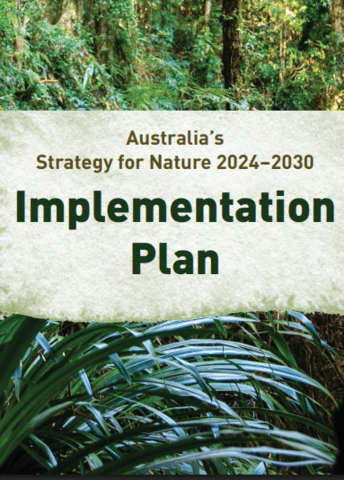
Strategy
Australia’s Strategy for Nature 2024–2030: implementation plan
The plan sets out how Australia will halt and reverse biodiversity loss by 2030. The plan highlights work supporting Australia’s 6 targets to address biodiversity decline and 3 enablers of change to drive the transformational action needed to achieve them. It identifies areas where more work is needed, and outlines the approach to monitoring and reporting.
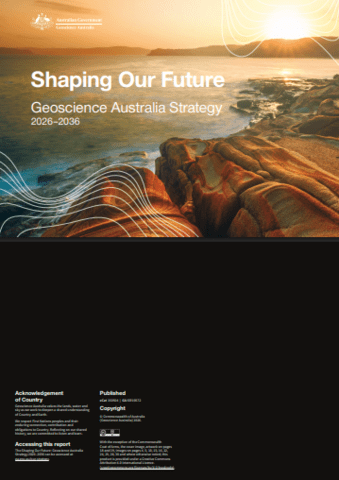
Strategy
Shaping our future: Geoscience Australia strategy 2026–2036
The strategy charts how applied geoscience will help Australia navigate complex national challenges and create benefits for generations to come. It outlines how integrated geoscience insights will be delivered across five key focus areas: resource potential; positioning and navigation services; earth analysis; national land, marine and coastal mapping; and hazards and impacts.
Report
State of the global climate 2025
This annual report provides information on the state of the climate system by updating key observed climate indicators and presenting selected high-impact weather and climate events. For the first time, the report includes the Earth’s energy imbalance as a key climate indicator. It confirms that the past 11 years are the warmest on record.
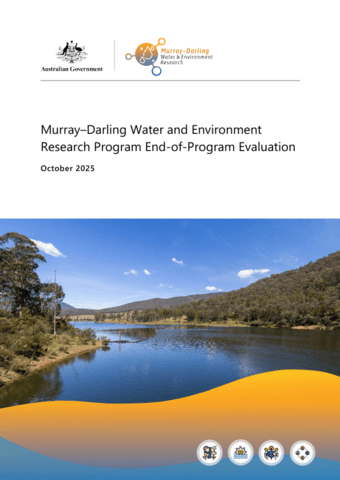
Evaluation
Murray-Darling Water and Environment Research Program end-of-program evaluation
This evaluation found the Murray–Darling Water and Environment Research Program delivered high‑value, policy‑relevant research that strengthened Basin management and supported water reform. It makes 7 recommendations, emphasising continued investment in research adoption, integration and long‑term funding to build an enduring research ecosystem and ensuring the Program’s full benefits are realised under future Basin challenges.
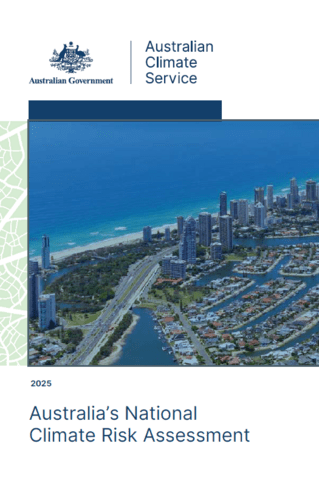
Assessment
Australia’s national climate risk assessment
The report provides a synthesis of key findings from Australis's first national climate risk assessment. It provides an assessment of risk across 8 key systems and 11 regions, prioritising key risks both within each system and across systems. This approach provides an understanding of who or what might be at risk across different areas of...