

Ecosystem management
Alternative labels
Ecosystem-based management
Strategy
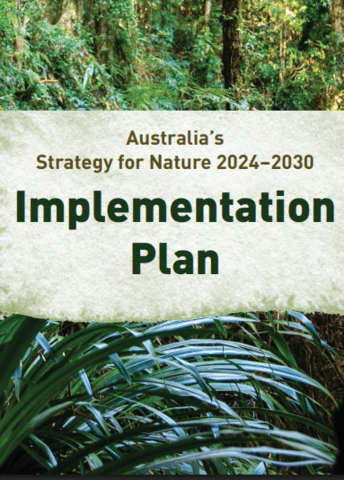
Australia’s Strategy for Nature 2024–2030: implementation plan
The plan sets out how Australia will halt and reverse biodiversity loss by 2030. The plan highlights work supporting Australia’s 6 targets to address biodiversity decline and 3 enablers of change to drive the transformational action needed to achieve them. It identifies areas where more work is needed, and outlines the approach to monitoring and reporting.
Strategy
Blueprint for a healthy Country and thriving regions
This blueprint outlines a model for landscape management in New South Wales (NSW). Comprised of seven components, the model places regional communities at the centre, rebuilds trust and offers them greater agency in their future. It provides a collaborative framework for people across NSW to work together to protect and restore ecosystems as a whole.
Report
Algal blooms in South Australia
South Australia has experienced one of the largest-scale algal bloom events ever recorded in Australian waters in 2025. This report outlines the findings and recommendations from an inquiry into the causes, frequency, scale and duration of recent algal blooms in South Australian marine and coastal environments. It provides 14 recommendations.
Report
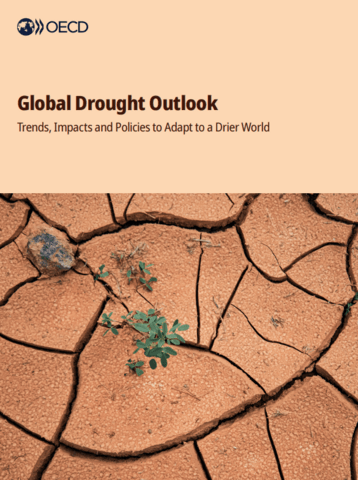
Global drought outlook
This outlook assesses how countries can strengthen drought management to adapt to a changing climate. It provides new insights into the rising human, environmental and economic impacts of droughts and offers practical policy solutions to minimise losses, build long-term resilience and support adaptation to a drier future.

Report
10 New insights in climate science 2024-2025
This report reveals critical climate challenges, highlighting how rising temperatures are raising the risk of ecosystem collapse and threatening maternal and reproductive well-being. Produced by a global consortium of scientists, this annual report synthesizes key findings from the past 18 months, aiming to inform policy decisions at COP29 and beyond.