

Screen time
Literature review
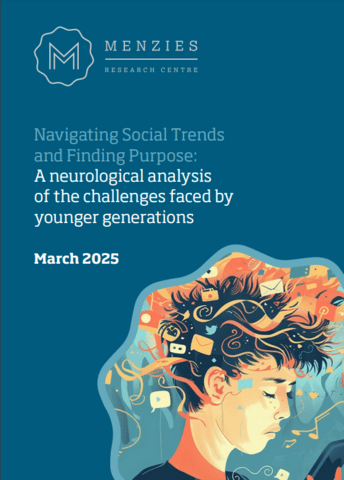
Navigating social trends and finding purpose: a neurological analysis of the challenges faced by younger generations
This paper identifies a drastic deterioration in mental health for Generation Z and collates global research outcomes to explore the social and neurological factors driving the crisis. It highlights the increase in mental health issues, screen time, and addiction among young people alongside a decrease in their sense of purpose and community.
Briefing paper
Why are children spending more time indoors?
Young children are spending an increased amount of their time indoors. This article summarises international and Australian research evidence on why this is and considers what this means for their well-being and for the people who support families.
Journal article
Adolescent lifestyle behaviour modification and mental health
This study examines longitudinal behaviour change of adolescents in six key lifestyle behaviours – sleep, physical activity (PA), sedentary recreational screen time, diet, alcohol use, and tobacco use – and associations with mental health. The results highlight the potential benefits of behaviour modification to reduce the progression of psychological distress in adolescence.

Briefing paper
Screen time: the effects on children’s emotional, social, and cognitive development
The document explores the evidence on how screen time affects children’s socio-emotional and cognitive development.
Report
Effects of screen time on preschool health and development
The NZ Ministry of Social Development commissioned this research into screen usage in young children (24 months to 54 months). The report finds that only a very small percentage of young children are meeting the national screen-time guidelines for under-5s, resulting in short-term negative outcomes in areas including weight, attention and motor skills.