

Emissions reduction
Alternative labels
Carbon abatement
Emission reduction
Report
Leading climate policies from Australia's states and territories
Combined, current state and territory emission reduction targets add up to 40-44%. If they are met, Australia's legislated national target will be achieved. By looking at the role of subnational governments in the global energy transition, this report draws attention to impactful policies leading emissions reductions and calls for greater coordination and support.
Report
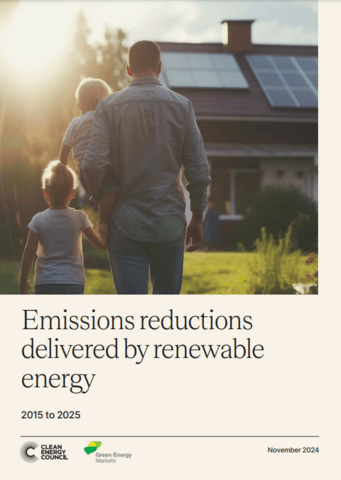
Emissions reductions delivered by renewable energy: 2015 to 2025
Significant growth in renewable energy generation has already delivered substantial emissions reductions, avoiding over 200 million tonnes of greenhouse gas emissions between 2015 and 2023. This report predicts this trend will continue and that while challenges remain to achieving Australia's 2030 renewable energy target, the progress towards decarbonising the electricity sector offers a positive example...
Report
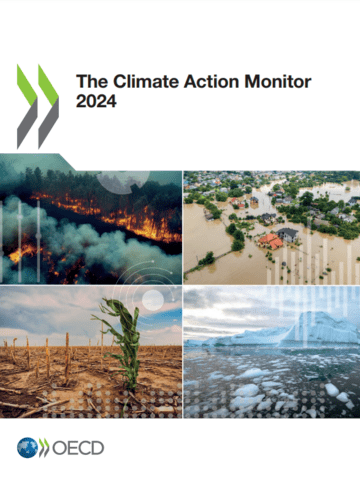
The climate action monitor 2024
This report provides insights on global climate action and progress towards net-zero targets for 51 OECD and OECD partner countries. It presents a comprehensive evaluation of net-zero targets, major climate-related hazards, and the key trends in climate action. The findings suggest that current 2030 commitments to reduce greenhouse gas emissions are not ambitious enough to...
Briefing paper
Reforming Australia's safeguard mechanism: an update
The safeguard mechanism is a central component of Australia’s climate change policy. It was reformed in 2023 to change several elements of the scheme. This paper provides an overview of the safeguard mechanism as it currently operates.
Report
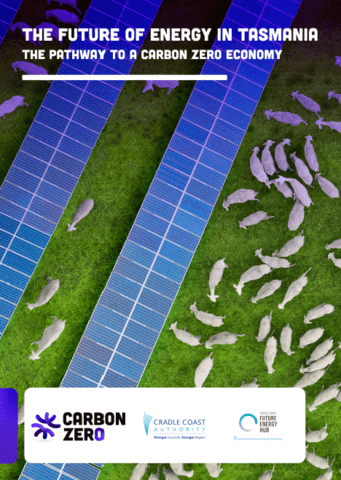
The future of energy in Tasmania: the pathway to a carbon zero economy
The report charts a pathway to a Tasmanian economy running entirely without fossil fuels – a carbon zero economy, the first of its kind in the world. It quantifies the opportunities arising from new energy infrastructure, the reduction in carbon emissions, and the amount of new infrastructure required.