

Circular economy
Report
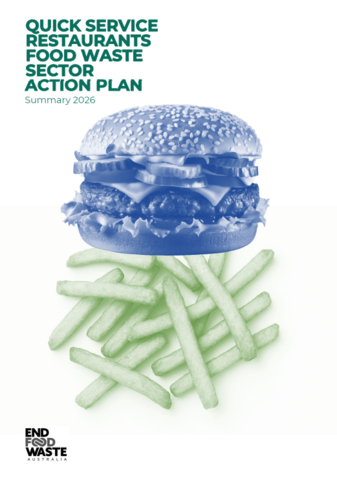
Quick service restaurants food waste sector action plan
The quick service restaurant sector includes fast-food and takeaway outlets that serve quickly prepared meals with minimal table service. Australia loses $36.6 billion to wasted food each year, eroding value across the supply chain through inefficiencies that can be reduced. This action plan was developed to help businesses mitigate back-of-house food waste.
Report
Standards enabling Australia’s sustainable transition
Australia’s sustainability transition is being reshaped by global uncertainty, heightened climate impacts and rapid economic transformation. In this environment, the challenge is not only setting ambition, but creating the conditions that enable confidence, consistency and momentum. This paper examines how standards are supporting this shift from policy intent to real‑world outcomes.

Report
The Social Outfit: 2025 Impact report
The Social Outfit is a Sydney-based registered charity and accredited social enterprise that operates a work-integration model combining paid employment with industry-aligned training for refugee and migrant women. This impact report documents outcomes across three pillars: skills and jobs, representation and circularity. The report's key findings demonstrate meaningful progress in economic inclusion.
Report
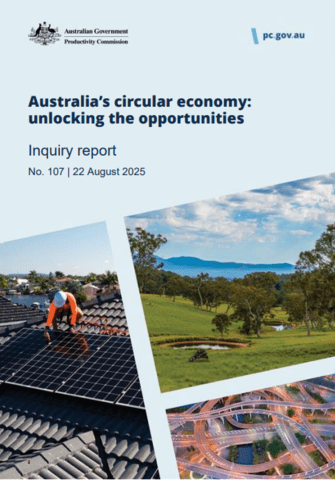
Australia’s circular economy: unlocking the opportunities
This inquiry report examines Australia’s opportunities in the circular economy to improve materials productivity and efficiency in ways that benefit the economy and the environment. It identifies priority circular economy opportunities and advises on how best to measure progress and address barriers.
Strategy
Victoria's infrastructure strategy 2025–2055
Victoria's 30-year infrastructure strategy provides a practical roadmap for action over the next 30 years across a broad range of public policy areas including housing, energy, transport and social infrastructure. The updated strategy makes 45 recommendations to the Victorian Government and also identifies 8 future options for the government to consider.