

Primary prevention
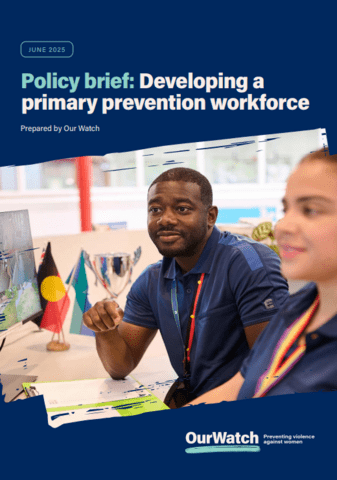
Policy report
Policy brief: developing a primary prevention workforce
This policy brief provides policymakers with guidance on how to build, strengthen and support the primary prevention workforce – whose roles contribute to the primary prevention of violence against women – in Australia. It outlines the short and long-term benefits of investing in this workforce and identifies opportunities for Australian Commonwealth, state and territory governments.
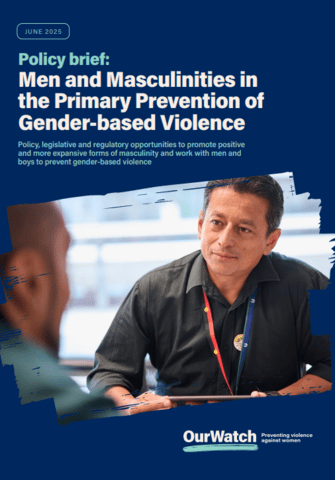
Policy report
Men and masculinities in the primary prevention of gender-based violence
Preventing gender-based violence requires requires work with men and boys, including challenging the stereotypes and cultures that underpin the drivers. This brief outlines policy, regulatory and legislative opportunities for promoting more positive and expansive forms of masculinity and working with men and boys to prevent gender-based violence.
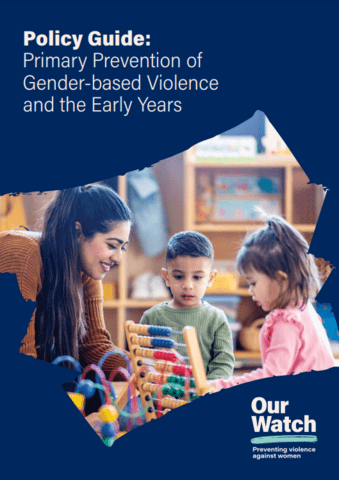
Policy report
Policy guide: prevention of gender-based violence and the early years
Drawing on the current literature on prevention in the early years, this policy guide articulates how governments, particularly the Australian Government, can use the policy levers available to them to embed primary prevention of gender-based violence in the early childhood education and care (ECEC) sector.
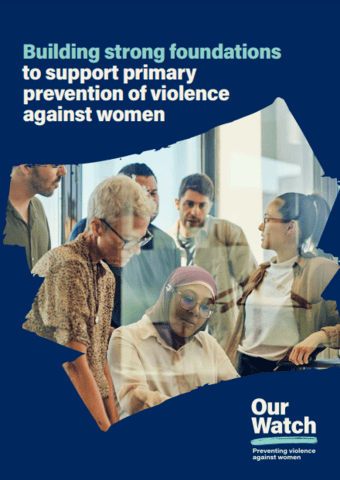
Policy report
Building strong foundations to support primary prevention of violence against women
Governments play an important role in building, resourcing and supporting the foundations across society that support whole-of-population strategies to end violence against women. This policy report outlines key actions governments can take to ensure that the essential foundations to support this long-term work are in place. It translates the complex concept of prevention infrastructure into a...
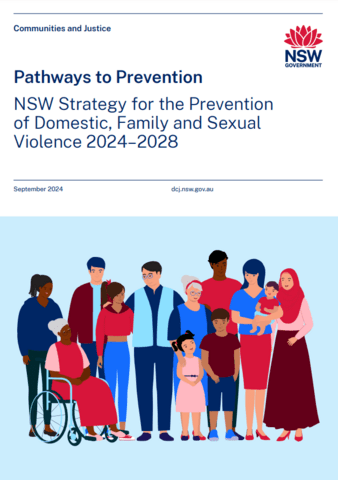
Strategy
Pathways to prevention: NSW strategy for the prevention of domestic, family and sexual violence 2024–2028
This is New South Wales' first dedicated whole-of-government domestic and family violence, and sexual violence primary prevention strategy. It provides a coordinated approach to strengthen primary prevention work and draws on the diverse expertise and place-based knowledge of the NSW community sector.