

Briefing paper
Briefing paper
Transition tax incentive: reforming fuel tax credits into a decarbonisation tailwind
A policy proposal to phase-out Australia's Fuel Tax Credit scheme, which subsidises imported high-emissions diesel use, with a transition tax incentive scheme to accelerate electrification and decarbonisation. This paper argues that the fuel tax does not fund roads – it is industry assistance.
Briefing paper
Beyond output per hour: productivity measurement in an AI-driven economy
Conventional productivity measurement frameworks increasingly fall short in recognising emergent drivers of productivity. This paper puts forward an enhanced productivity measurement framework incorporating extra inputs that are both distinct and essential to current and future productivity growth – information and data, care and human services, and artificial intelligence.
Briefing paper
Redefining productivity: embedding long-term value creation in Australia’s economic measurement framework
Moving to a more authentic and comprehensive measure of productivity means recognising that not all value is immediate, monetised or measurable in output per hour terms. This paper outlines some practical, forward-looking approaches to ensure Australia's productivity framework reflects the true value of service-sector investments and supports better policy decisions in a time of transformation.
Briefing paper
Urban form as a policy lever for optimal child disability outcomes
A briefing on research that looked at policies from across Australia to assess whether they help create better neighbourhoods for children with disabilities and their families. It found that most policies were too small, missed big changes and urban planning was almost never used to help children.
Briefing paper
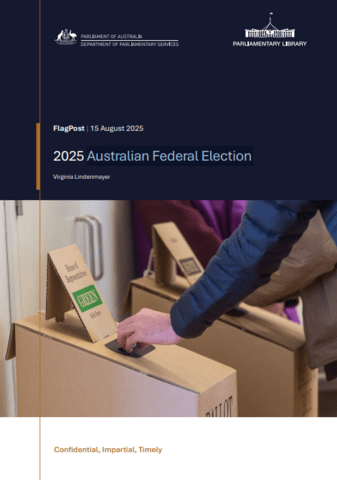
2025 Australian federal election
This paper provides an overview of the 2025 Australian federal election, including electoral trends and results. It presents a summary of the election timelines, candidates, voter participation and close seats. At the close of rolls, there was a record enrolment rate of 98%, which is exceptionally high compared to similar democracies.