

 SHARE
SHARE
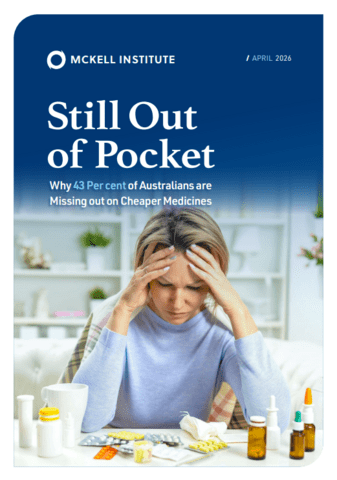
Still out of pocket: why 43 per cent of Australians are missing out on cheaper medicines

Australia has a public medicines program, with 949 medicines publicly subsidised through the Pharmaceutical Benefits Scheme (PBS). The Australian Government’s Cheaper Medicines policy, which commenced 1 January 2026, reduced script prices for listed medicines to $25, and allows for 60-day prescriptions, lessening the cost burden on families reliant on PBS listed prescriptions.
Despite the well received and highly effective Cheaper Medicines reforms starting to take effect, there is a growing risk that many Australians who rely on non-PBS subsidised medicines will continue to be impacted by out-of-pocket costs. This report considers this challenge and outlines a way forward to expand the cheaper medicines program.
Part 1 briefly assesses the existing policy landscape, noting the reforms the Commonwealth has enacted in medicines policy since 2022. Part 2 of the report presents the findings from a novel survey of 1506 Australians examining the extent to which they are prescribed medicines not subsidised through the PBS.
Key findings
- 43% of Australians have been prescribed medicines that aren’t subsidised, and this cohort is likely to grow further.
- Despite positive, cost-of-living focused reforms to PBS listed medicines, Australians are still paying considerably for medicines not listed on the PBS.
- Given the pace of innovation in medicines, and the slow approval timeframes for medicines in Australia compared to other OECD nations, the financial burden on families dependent on non-PBS listed medicines for their healthcare is increasing over time, requiring further reform.
