

Culturally and Linguistically Diverse (CALD)
Alternative labels
Culturally and linguistically diverse
Non-English speaking background
NESB

Conference paper
Peer reviewed papers from the FRSA 2025 National conference
A collection of six peer-reviewed papers from the 2025 national conference covering the themes: Across the lifecourse; the First 1000 Days; Schooling years; Children at the centre; and Relationship breakdown and re-partnering.
Report
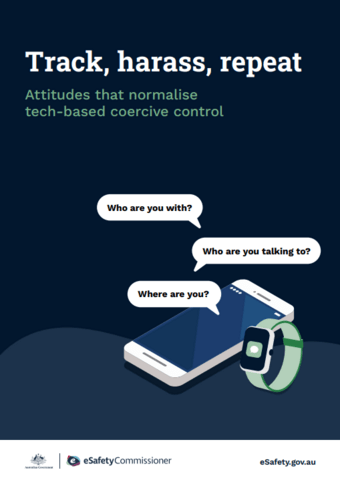
Track, harass, repeat: investigating attitudes that normalise tech-based coercive control
This summary report explores attitudes and expectations that could normalise the use of tech-based coercive control in relationships. It aims to understand the prevalence of certain harmful expectations and attitudes relating to tech-based surveillance and micro-management (often elements of tech-based coercive control) in intimate relationships.
Video
Applying culturally inclusive principles in evaluation
This webinar focuses on the application of culturally inclusive principles in evaluation, including topics such as data collection methods, cultural timing and the importance of language. It provides insights into how culturally inclusive principles have been applied in real-world evaluation.
Briefing paper
Consultation with young people from migrant and diaspora background about the Children’s Online Privacy Code
This paper presents insights from interviews with young people from migrant and diaspora backgrounds, conducted to inform the development of the Children’s Online Privacy Code. Prepared for the Office of the Australian Privacy Commissioner, the briefing amplifies youth perspectives on digital privacy and highlights their priorities for policy reform.
Report
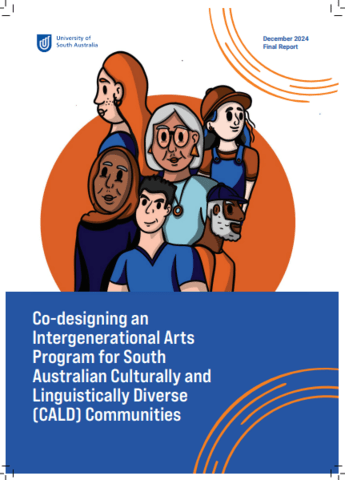
Co-designing an intergenerational arts program for South Australian culturally and linguistically diverse (CALD) communities
A report on a project to develop an intergenerational arts program for culturally and linguistically diverse (CALD) communities in South Australia. The report details the project’s methodology, analyses key findings and provides recommendations for future actions. It examined the existing gaps, strengths and weaknesses of intergenerational arts programs for CALD communities.