

Culturally and Linguistically Diverse (CALD)
Alternative labels
Culturally and linguistically diverse
Non-English speaking background
NESB
Report
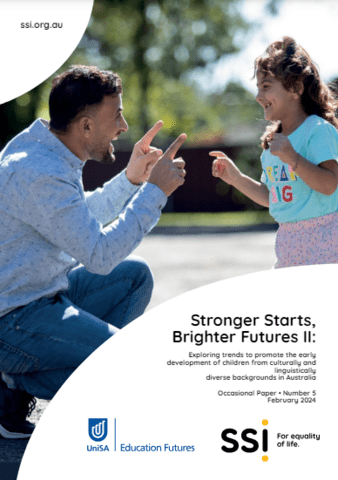
Stronger starts, brighter futures II
This research examines the early development trajectories of children from CALD backgrounds in Australia by exploring the existing evidence base and analysing data from the Australian Early Development Census, conducted every three years. The research found that children from CALD backgrounds are more likely to be developmentally vulnerable at school entry than other children and...
Report
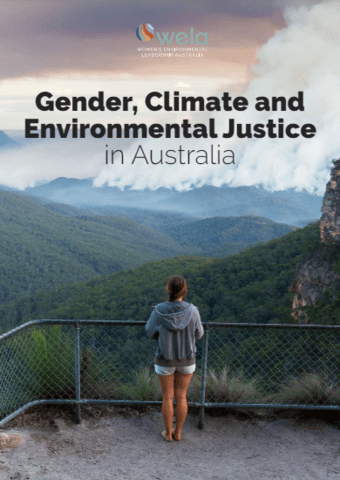
Gender, climate and environmental justice in Australia
Internationally, the links between gender, and climate and environmental issues have been widely recognised. This report summarises what is known about the gendered impacts of climate and environmental issues, and explains why gender diverse leadership is critical to solving these challenges.
Research Summary
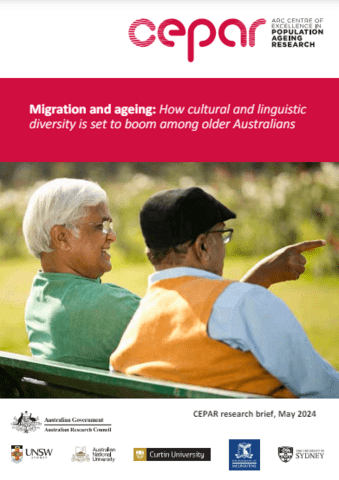
Migration and ageing: how cultural and linguistic diversity is set to boom among older Australians
Australia’s population is not only ageing - it is also becoming more diverse This research brief assesses wellbeing outcomes across the lifecycle (e.g. education, employment, retirement, health) by three high-level migrant and CALD categories: place of birth, language use at home and spoken English proficiency.
Strategy
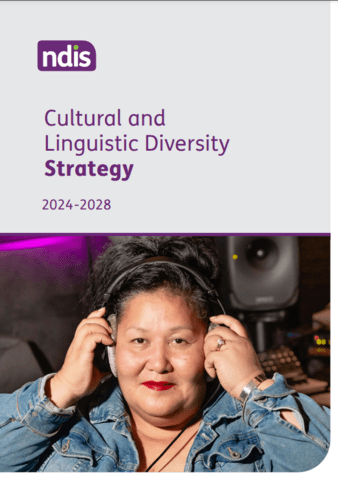
NDIS Cultural and linguistic diversity strategy 2024-2028
This strategy has been developed to respond to the needs of the almost 60,000 participants from Cultural and Linguistic Diverse (CALD) backgrounds, including participants from the deaf community, and proposes to implement 28 actions over four years to make the NDIS more inclusive and accessible.
Strategy
The APS Culturally and Linguistically Diverse employment strategy and action plan
At the request of the Australian government, the Australian Public Service Commission developed this CALD employment strategy for the Australian Public Service.