

Longitudinal studies
Research Summary
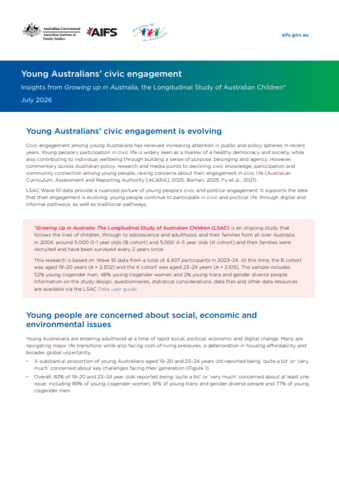
Young Australians’ civic engagement
This research snapshot from the Growing Up in Australia study provides a nuanced picture of young people’s civic and political engagement. It supports the idea that their engagement is evolving; young people continue to participate in civic and political life, through digital and informal pathways, as well as traditional pathways.
Research Summary
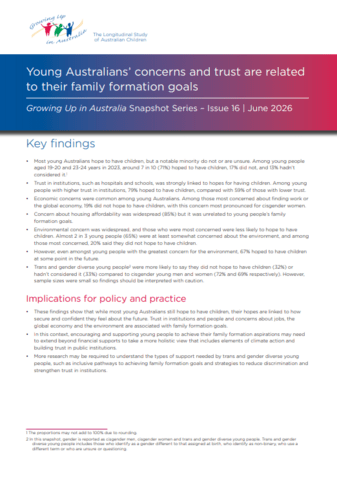
Young Australians’ concerns and trust are related to their family formation goals
This research snapshot from the Growing Up in Australia study shows that most young Australians hope to have children, but their family goals are linked to how much they trust public institutions and their worries about the environment. The findings show that young people are thinking about parenthood in many different and equally valid ways.
Report
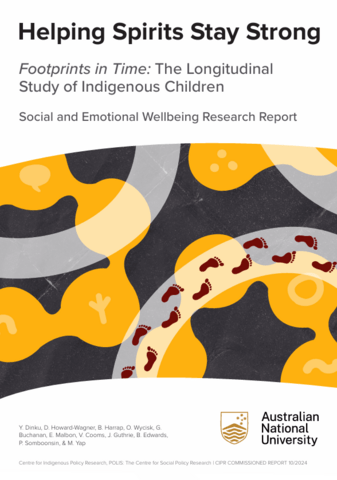
Footprints in Time: Longitudinal Study of Indigenous Children – social and emotional wellbeing research report
This report on the social and emotional wellbeing of Aboriginal and Torres Strait Islander children and youth proposes and explores a novel approach to measuring social and emotional wellbeing, inspired by a holistic construct developed by a First Nations scholar-led team.
Report
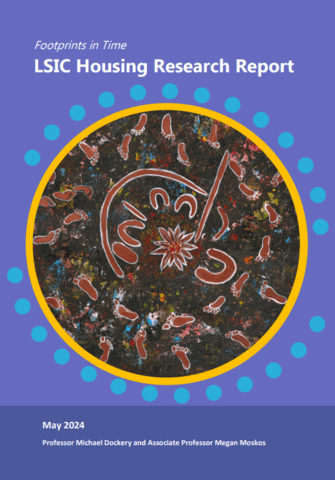
Footprints in time: LSIC housing research report
Utilising Longitudinal Study of Indigenous Children (LSIC) data, this report provides both a descriptive overview of the housing circumstances that Indigenous children and their families live in, and the way housing-related factors can help or hinder those children growing up strong. Two of the major dimensions explored in the analyses are housing tenure and remoteness.
Report
Multiple Sclerosis prevalence and health economic impact in Australia 2025
This study shows multiple sclerosis (MS) costs over $3 billion annually, driven by rising prevalence. MS is a chronic, incurable neurological disease that imposes growing social and economic burdens. The report provides recommendations for government with a focus on improving care, access and research.