

Artificial Intelligence (AI)
Alternative labels
Generative AI (GenAI)

Position paper
Integrating AI use in a feminist model of care
This position paper sets out three key considerations for implementing artificial intelligence (AI) tools into a feminist model of care for the Women's Health NSW sector. The paper unpacks the risks and challenges for each consideration, concluding the paper with ten recommendations that support the safe integration of AI in a feminist model of care.
Briefing paper
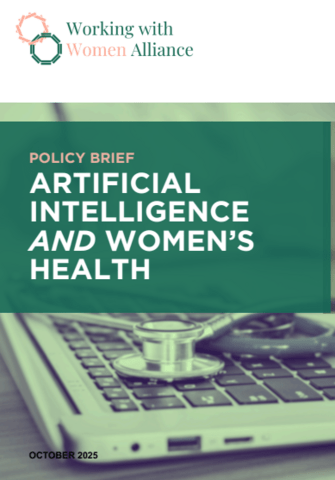
Artificial intelligence and women's health
The rapid integration of artificial intelligence (AI) into healthcare presents new challenges for women in Australia, particularly as existing gender gaps in health data and research remain unaddressed. AI tools often propagate misinformation and gender bias, while FemTech applications raise significant privacy concerns. This policy brief sets out a gender-informed approach to digital health reform.
Report
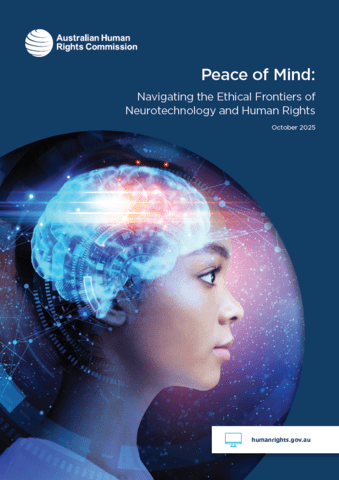
Peace of mind: navigating the ethical frontiers of neurotechnology and human rights
This report explores how the benefits of neurotechnology can be embraced while making sure human dignity is at the forefront. Neurotechnology refers broadly to devices, systems and procedures that interact with the human nervous system to access, interpret or influence its activity. The report provides 18 recommendations.
Guide
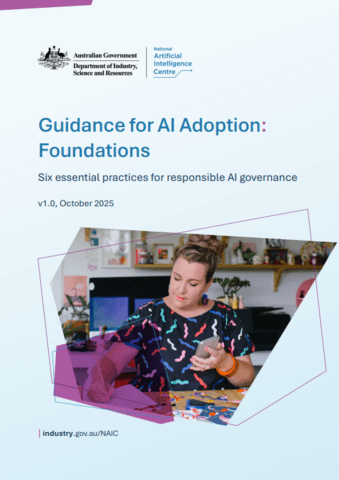
Guidance for AI adoption: six essential practices for responsible AI governance
The guidance sets out six essential practices for responsible artificial intelligence (AI) governance and adoption, based on national and international ethics principles. There are two versions of the guidance: for organisations getting started in adopting AI, and for governance professionals and technical experts. The guidance is accompanied by a policy guide and template.
Guide
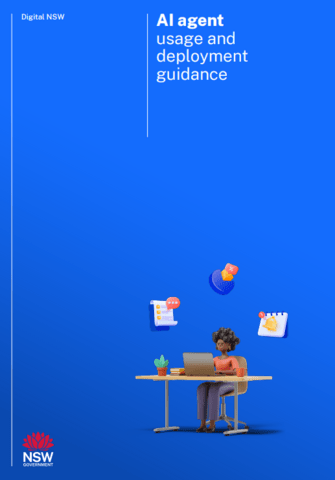
AI agent usage and deployment guidance
This guide supports New South Wales (NSW) government agencies to safely and responsibly use agentic artificial intelligence (AI). It helps NSW agencies know what to consider when developing policies, assurance processes and implementing AI agents. It also includes roles and responsibilities, use case screening, and checklists for pilots and production.