

Intersectionality
Report
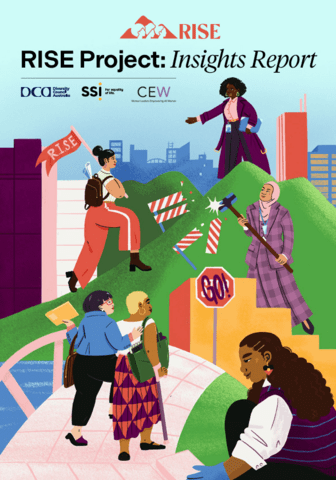
The RISE project: an insights report
This report presents initial insights from the RISE project which aimed to break down systemic barriers and provide direct pathways for culturally and racially marginalised women to reach senior leadership positions within Australian organisations. It captures what has been implemented, what has been learned and what is beginning to shift for those who participated.
Report
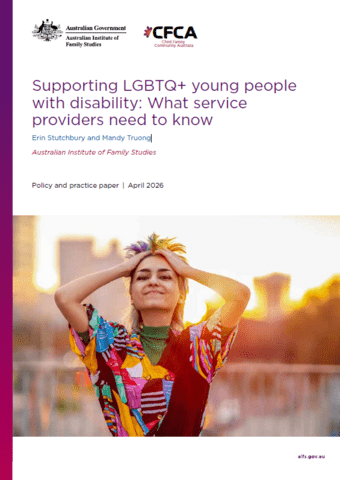
Supporting LGBTQ+ young people with disability: what service providers need to know
This resource supports practitioners working with LGBTQ+ young people with disability by explaining intersectionality, evidence on key challenges, and practical ways to improve wellbeing. It highlights the impacts of discrimination, heterosexism and ableism, barriers to accessing inclusive services, and the importance of safe, accessible, person‑centred practice across services.
Report
Creating inclusive courts and tribunals
This report is designed to guide service inclusion improvements for courts and tribunals that recognise the needs of people with disability. It includes disability-aware and disability-inclusive practices, screening approaches, judicial guidelines, and specialised court programs, drawing on both evaluative data and good practice principles.

Report
Disability and people from Culturally and Linguistically Diverse (CALD) backgrounds
This study explores how attitudes held by the general population, different cultural groups and people within systems and services affect people with disability from Culturally and Linguistically Diverse (CALD) backgrounds. The study found people with disability and family members from CALD communities experienced both positive and negative attitudes. The research presents key findings and recommendations.
Report
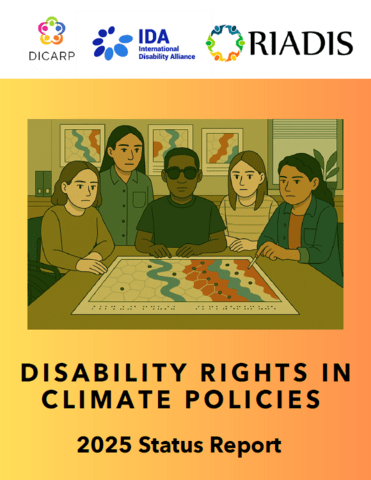
Disability rights in climate policies: 2025 status report
This report reviews disability references in global climate policies, noting inclusion scores nearly doubled since 2023. It maps progress and gaps, urging stronger commitments to disability rights and introducing criteria for women and children with disability. It emphasises moving beyond symbolic recognition toward meaningful, intersectional inclusion and full participation in climate governance.