

Personal identifiers
Guide
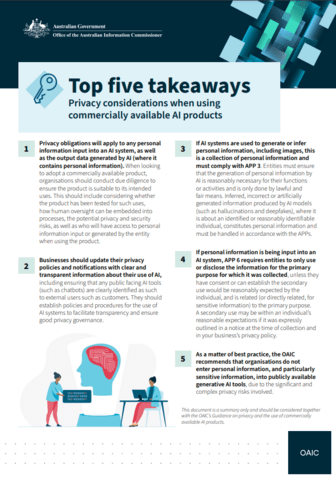
Guidance on privacy and the use of commercially available AI products
This guidance is intended to assist organisations to comply with their privacy obligations when using commercially and freely available AI products, in particular generative and general-purpose AI tools. Overall, it is recommended organisations do not enter personal information into publicly available generative AI tools due to the significant and complex privacy risks involved.

Report
Rewiring the web: the future of personal data
In this paper, the authors argue that the widespread use of personal information online represents a fundamental flaw in the digital infrastructure that enables staggeringly high levels of fraud, undermines people's right to privacy, and limits competition. This paper proposes a series of technical, regulatory, and institutional interventions that reimagine the foundations of a modern...
Report
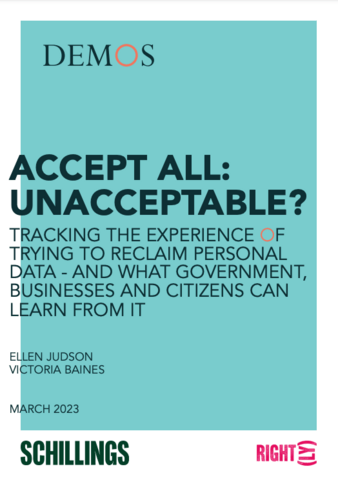
Accept all: unacceptable?
This report investigates how data footprints are being created and exploited online. It involves an exploratory investigation into how data sharing and data regulation practices are impacting citizens: looking into how individuals’ data footprints are created, what people experience when they want to exercise their data rights, and how they feel about how their data...
Discussion paper
Working with sensitive information
This document provides guidance on how the New Zealand Privacy Act applies to sensitive personal information.
Article
Why the gig economy needs to adopt digital IDs
This articlr is aboug Digital ID as a solution to the verifying drivers, handymen, and independent workers and others participating in the gig economy marketplace. Digital ID can be authenticated remotely over digital channels. That means platforms like Uber, Task Rabbit, and Fiverr could verify participants with one click.