

Person centred
Alternative labels
Working in partnership
Client centred
Client-centred
Person-centred
Description
A person-centred approach is where the person is placed at the centre of the service rather than their condition or disability. Support should focus on achieving the person's aspirations and be tailored to their needs and unique circumstances. Person-centred care, person-centred therapy and person-centred practices are commonly used in the health care context.
Working paper
Towards a measurement framework for people‑centred justice systems
Effective and people-centred justice systems function both as public services for people and as enabling systems for economic growth and good governance. Yet, justice data and measurement often reflect an institutional perspective that fails to capture people’s needs and experiences. This working paper proposes a measurement framework for people-centred justice systems to address these gaps.
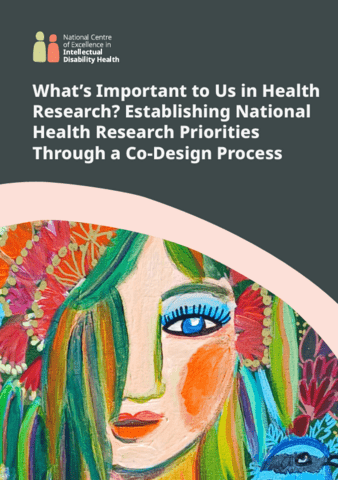
Report
What's important to us in health research? Establishing national health research priorities through a co-design process
This report describes a co-design process, involving interviews and art-based research, to find out what health issues matter most to people with intellectual disability in Australia. The findings are intended to help guide which health research topics should be prioritised in the future.

Report
Measure for measure: a people-centred approach to tailoring justice
This report identifies common elements of effective practice across a range of Victorian justice initiatives and organises them into a People-Centred Justice Model to help inform how the sector designs, measures and understands its work. The report also explores the potential and challenges in sustaining and scaling these initiatives.
Website
Person-centred practice across cultures
This series of resources focuses on the importance of cultural awareness and sensitivity in disability support and service delivery. The 14 workbooks support culturally sensitive practices and help organisations realise the benefits of cultural and linguistic diversity.
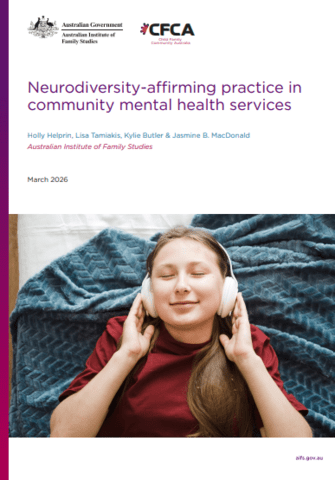
Guide
Neurodiversity-affirming practice in community mental health services
This practice guide presents a framework for family and community services to apply neurodiversity-affirming practice (NAP) to their work with all children, young people and families. NAP is a way of working that aims to provide a safe and supportive service environment that accepts, understands and values neurodiversity.