

Blindness
Alternative labels
Blind
Video
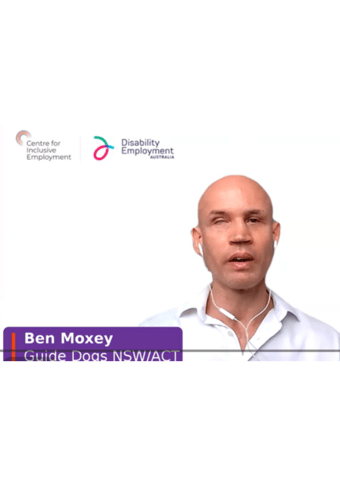
Lunch & learn: blindness and vision impairment in the workplace
This recorded webinar by Ben Moxey, Emerging Technology and Accessibility Manager at Guide Dogs NSW/ACT, presents practical ways to design accessible workplaces where people with blindness or vision impairment can thrive. It highlights key accessibility considerations and technologies that remove common barriers and support full participation for employees in diverse professional settings

Report
Eye health measures for Aboriginal and Torres Strait Islander people 2025
Eye diseases and vision problems are the most common long-term health conditions reported by Aboriginal and Torres Strait Islander people. This report updates eye health measures for Aboriginal and Torres Strait Islander people. The measures cover the prevalence of eye health conditions, diagnosis and treatment services, the eye health workforce and outreach services.
Website
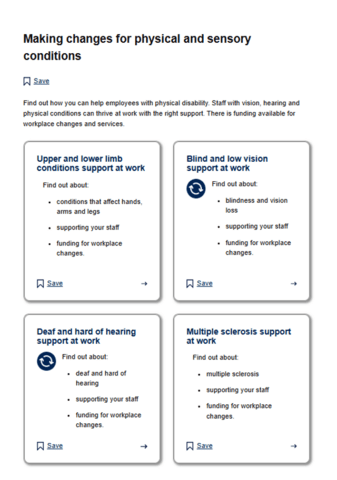
Making changes for physical and sensory conditions
This guide supports employers in building accessible, inclusive workplaces through tailored adjustments for a wide range of disabilities including physical and sensory conditions. Discover practical ways to help employees with vision, hearing and mobility-related disabilities thrive with the right support.
Website
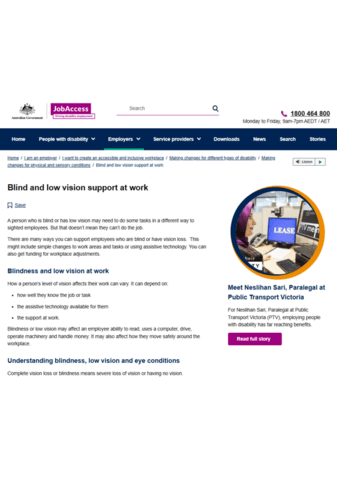
Blind and low vision support at work
Employees who are blind or have vision impairment may complete some tasks differently from sighted colleagues, but this does not limit their ability to do the job. This website outlines practical ways to support these employees, including information on workplace adjustments, understanding vision loss, and accessing financial assistance for workplace changes.

Guide
An eye to the future: unlocking the potential of employing people who are blind or vision impaired
A guide to understanding how to confidently recruit, support and retain employees who are blind or vision impaired. It offers practical advice, real-world insights and easy-to-follow steps to help employers remove barriers and embrace inclusive practices – from recruitment and onboarding to accessible technology and legal considerations.