

Emissions reduction
Alternative labels
Carbon abatement
Emission reduction
Report
Heat, power and flexibility to future-proof Gladstone
Gladstone, in Central Queensland, is a key industrial hub producing essential heavy manufacturing goods such as aluminium, cement and chemicals. While vital to Australia’s economic development, Gladstone’s industries are currently emissions-intensive. This report focuses on two key opportunities for industrial decarbonisation in Gladstone: replacing fossil fuels used for industrial heat with low-carbon alternatives and energy...
Report
Hard-to-abate: a justification for delay?
Industry members often describe their sector as hard-to-abate to argue against having to reduce emissions quickly. The iron, steel and cement sectors provide valuable case studies of how the ‘hard-to-abate’ label has shaped both policy and industrial actions. This report demonstrates that their decarbonisation is not only possible but highly achievable.
Report
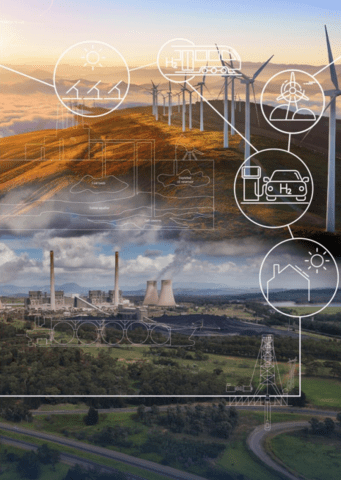
Updated net zero pathways for Australia
The Net Zero Australia project models pathways to net zero and other futures. This report focuses on domestic decarbonisation. It models four scenarios for the domestic system: a reference scenario, current policies, net zero 2050 and net zero extended. Modelling results and implications are presented for energy production, storage and build; and energy use, emissions...
Discussion paper
Target practice: how Australian Governments game their climate targets to conceal their lack of climate action
Australia’s ability to simultaneously claim that it is acting on climate change while also subsidising and approving major new fossil fuel projects, stems from the way successive Australian Governments have focused attention on emissions reduction targets that are arbitrary and poorly defined. This paper highlights some of the more obvious problems with Australia’s target setting.
Report
2035 Targets advice
The Climate Change Authority has recommended Australia set a 2035 target to reduce the nation’s greenhouse gas emissions by 62–70% compared with 2005 levels. This report outlines the methodology used to inform the advice, implementation pathways, navigating impacts and opportunities, and the international context. It identifies stronger policy settings are required to meet the target.