

Low socioeconomic status
Report
Socio-economic backgrounds, choice of disciplines, and post-university labour market performance
The report examines the barriers that students in Australia from five socio-economic groups may face when progressing through their career. The study found that, among the five socio-economic groups analysed, graduates from non-English-speaking backgrounds faced the most significant labour market challenges. The results show a need for targeted support for individuals from non-English speaking backgrounds.
Report
Evidence-based pedagogies to support online engagement of low SES, and regional, rural, and remote students
Online learning has increased significantly. Using Tasmanian data, this report outlines how a lack of pedagogical support for students studying online disproportionately impacts on students from disadvantaged backgrounds, including lower course completion rates and a reduced sense of place and belonging. It provides recommendations aimed at teachers, university leaderships and policymakers.
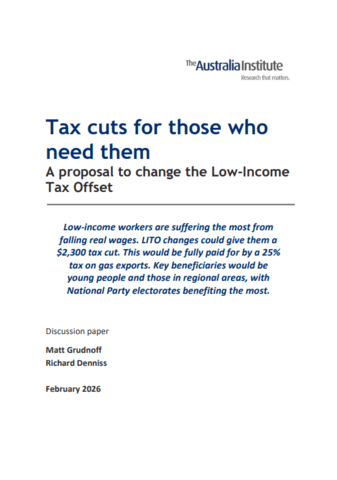
Discussion paper
Tax cuts for those who need them
This paper proposes a targeted income tax cut for low-income workers by increasing the Low Income Tax Offset (LITO). The LITO is an automatic tax refund that low-income earners receive when they lodge their tax return. The paper reveals key beneficiaries would be young people and those in regional areas, with National Party electorates benefiting...

Guide
Becoming a more cost-friendly school
Given the extent of the cost-of-living challenges currently being experienced by families across South Australia, all school leaders and governing councils need to develop and provide options that will help families meet the costs associated with their child’s or children’s education. This guide provides a range of strategies and suggestions to become a more cost-friendly...
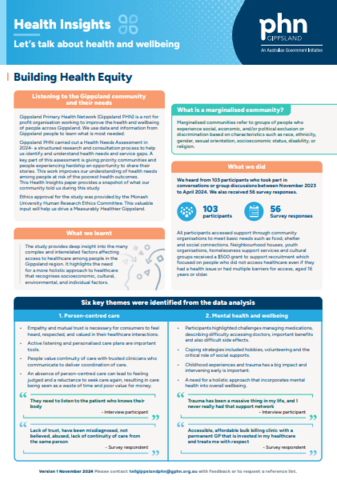
Research Summary
Health insights: building health equity
This snapshot provides a summary of research in the Victorian Gippsland community about health equity. Priority communities and people experiencing hardship were provided an opportunity to share their stories. Six key themes were identified from the analysis of health needs among people at risk of the poorest health outcomes.