

Intellectual and developmental disability
Alternative labels
Learning disability
Intellectual disability
Report
Meaningful work for people with intellectual disabilities
Despite decades of reforms and targeted initiatives, people with intellectual disabilities continue to experience barriers to securing and sustaining employment, particularly in the open or 'mainstream' labour market. This report focuses on the concept of meaningful employment which shifts attention away from the formal characteristics of a workplace as either mainstream or non-mainstream, instead asking...

Report
Supporting parents with cognitive disability in Queensland
This report explores the issues surrounding the right of a person with cognitive disability to parent a child and the support provided to parents with cognitive disability in Queensland. The insights shared by stakeholders highlight the urgent need for government bodies to work together to develop and implement policy and practice reforms that provide targeted...

Report
Moving out, moving on: beyond group homes for NDIS participants
Group homes for people with disability are a major source of financial pressure on the National Disability Insurance Scheme (NDIS), with Supported Independent Living (SIL) costs increasing by 28% over the past five years. Providers are struggling to maintain the viability of the service model. This report finds increasing Individualised Living Arrangements (ILAs) could save...
Report
Growing intellectual disability employment in NSW government
People with intellectual disability are underrepresented in employment across all sectors, including the public service. This project examined how the NSW government might increase employment of people with intellectual disability. This report identifies evidence-based strategies to address the barriers identified and recommends two approaches to explicitly create employment pathways.
Strategy
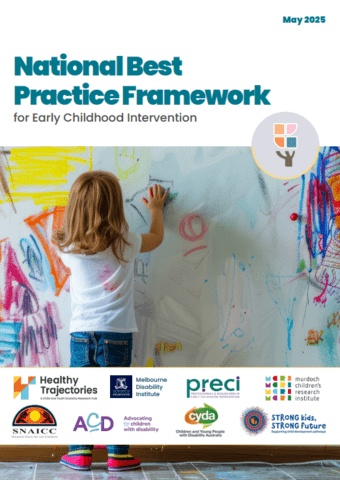
National best practice framework for early childhood intervention
The framework describes what high-quality, evidence-informed support looks like for children with developmental concerns, delay or disability, and their families. This support will give them the best chance to fulfil their potential by identifying and meeting their additional needs early. It guides how to support children up to age nine with developmental concerns or disabilities.